
Gowan Farms Heritage Seeds
Northern Garden Collection
From sturdy northern soil come seeds with stories to tell. These heirloom and heritage varieties have weathered long winters and short summers for generations, offering steady harvests and honest flavor. Gathered for gardeners who know the worth of patience, good earth, and a well-tended patch of land.
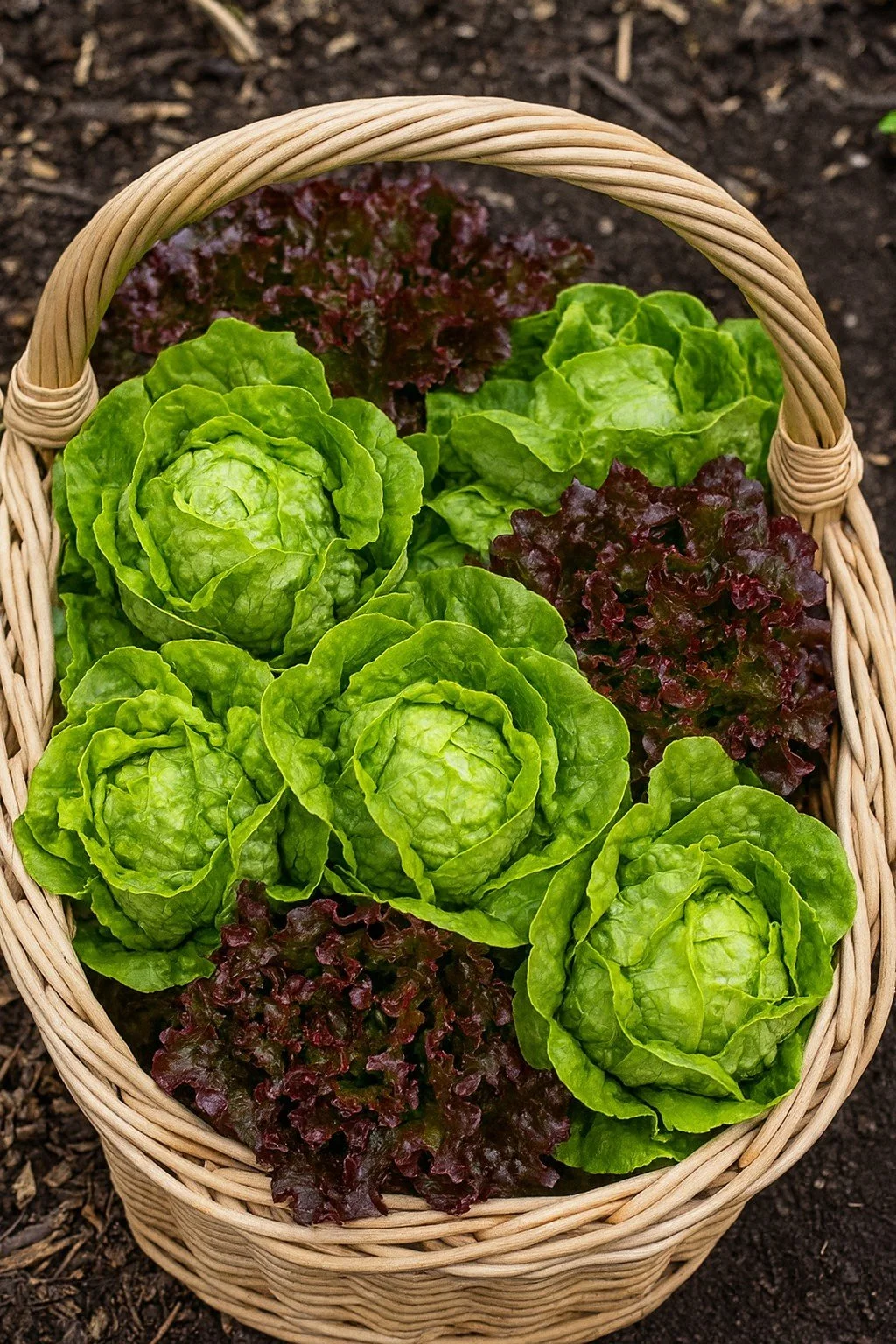
Tender hearts. Crisp leaves. A cool-season classic that thrives in Pennsylvania gardens.
Why We Love It in Pennsylvania
Buttercrunch is a cool-weather workhorse that handles our unpredictable springs and long, gentle falls with grace. Its loose, buttery heads stay sweet in chilly nights and keep their crunch through warm days better than most lettuces. From backyard patches to market rows, it’s a natural fit for PA’s Zones 5–6 (and neighboring 4 & 7 microclimates).
A Living Link to Our Agricultural Past
Pennsylvania has a deep agricultural heritage, from farmhouse kitchen gardens and Victory Gardens to old-line seed houses and Amish & Mennonite seed saving. Butterhead lettuces like Buttercrunch were mainstays of spring and autumn tables: quick to mature, forgiving to grow, and prized for their tender hearts. Planting Buttercrunch carries that tradition forward. It is honest food from good soil.
Quick Facts
Type: Butterhead lettuce
Days to Maturity: ~55–65 days (baby leaves in 28–35)
Habit: Compact, loose heads with crisp, succulent leaves
Flavor: Mild, sweet, and buttery
Best For: Spring & fall crops; cut-and-come-again baby leaves
How to Grow Buttercrunch in PA
When to Plant
Spring: Direct sow or transplant as soon as soil can be worked (often late March–April in much of PA).
Fall: Sow late August–mid-September for a beautiful autumn harvest; protect with row cover as nights cool.
(In higher elevations/northern counties, shift 1–2 weeks later in spring and earlier in fall.)
Site & Soil
Light: Full sun to light afternoon shade (shade helps in warm spells).
Soil: Loose, fertile, well-drained; pH 6.0–7.0. Enrich with finished compost.
Moisture: Keep consistently damp—shallow roots prefer steady, gentle water.
Sowing & Spacing
Direct Sow: ¼" deep; thin to 8–10" between plants, 12–18" between rows.
Transplants: Start indoors 3–4 weeks before last frost; harden off and set out at recommended spacing.
Succession: Sow every 10–14 days for a continuous harvest.
Care Tips
Use row cover in early spring to speed growth and deter pests.
Mulch lightly to hold moisture and keep leaves clean.
In warm spells, provide afternoon shade to preserve sweetness.
Harvest
Baby leaves: Cut at 4–6" for salads; plants will regrow.
Heads: Harvest when firm and full; cut at the base in the cool of morning.
Storage: Wrap unwashed heads in a damp towel or perforated bag; refrigerate up to a week.
Common PA Challenges
Bolting in heat: Plant spring & fall, offer shade in July heat.
Slugs & leaf miners: Keep beds tidy, water in the morning, use row cover, hand-pick as needed.
Bitter greens: Caused by heat or drought—keep soil evenly moist.
In the Kitchen
Buttercrunch shines in salads, lettuce wraps, and sandwiches—its tender hearts hold dressings without wilting and bring garden-fresh sweetness to every plate.
What You’ll Receive (Gowan Heritage Seeds)
Approx. seeds per packet: ~1,000
Germination: Packed for high viability; tested & verified
Non-GMO, untreated, open-pollinated
Packed For Year & Lot: Printed on packet for traceability
Gowan Heritage Note: We honor Pennsylvania’s seed-saving roots by choosing time-tested varieties, maintaining current germination tests, and sharing planting windows that match our local seasons—so your garden keeps the story growing.
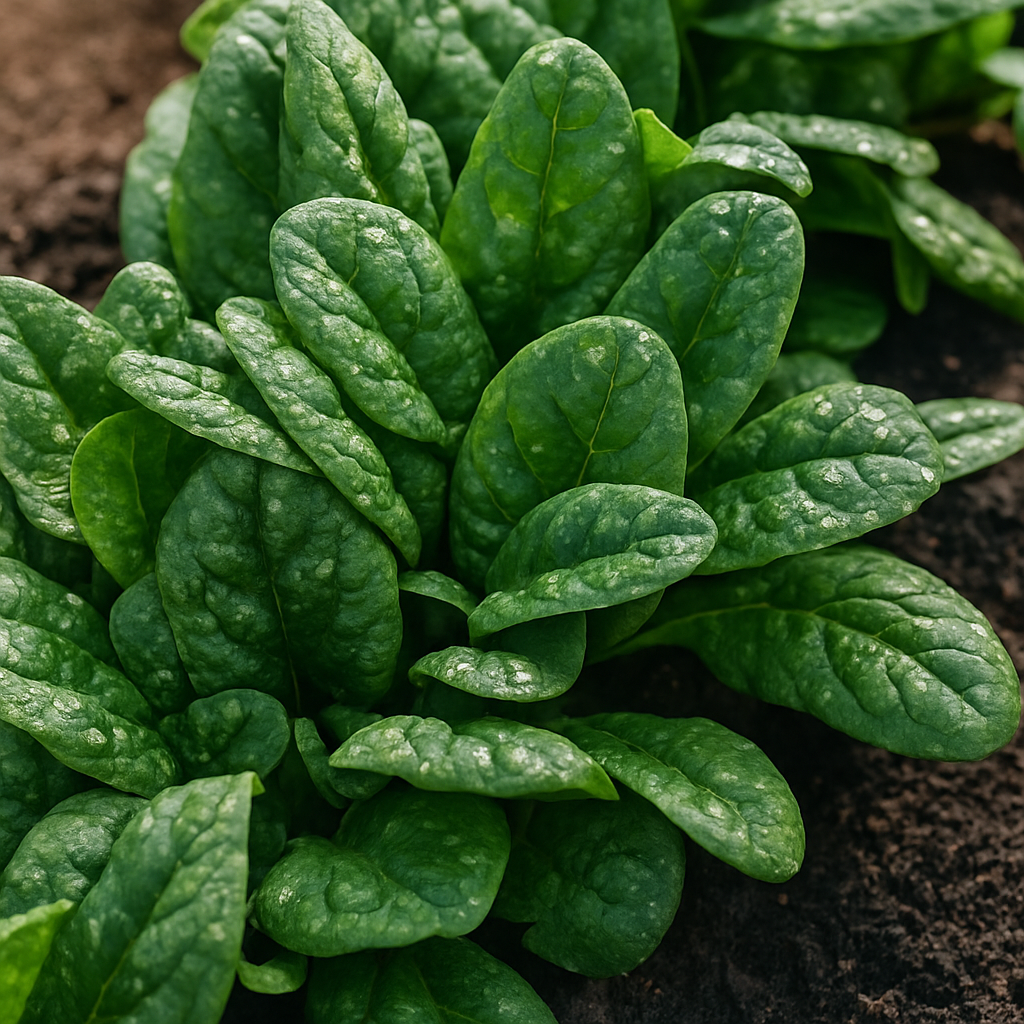
Crinkled, deep-green leaves with sweet, sturdy flavor—built for cool Pennsylvania seasons.
Why We Love It in Pennsylvania
Bloomsdale is a cool-weather staple that shrugs off frosty nights and wakes early in spring. Its thick, savoyed leaves hold sweetness in our long shoulder seasons and tolerate cold better than flat-leaf types. In Zones 5–6 across PA (and neighboring 4 & 7 microclimates), it’s reliable for spring, fall, and even low-tunnel overwintering.
A Living Link to Our Agricultural Past
This heirloom traces back to Pennsylvania’s own seed history. Bloomsdale was popularized by early Philadelphia seed houses and named for a historic Delaware-River farm. From kitchen-garden rows to Victory Gardens, PA families relied on sturdy spinach like this for iron-rich greens when fields were still waking or settling down for winter. Planting Bloomsdale keeps that tradition alive. It’s nutritious food from honest soil.
Quick Facts
Type: Heirloom savoyed spinach
Days to Maturity: ~40–50 days (baby leaves in 25–30)
Habit: Compact rosettes; thick, crinkled (savoy) leaves
Flavor: Sweet, minerally, and tender with pleasant bite
Best For: Early spring, fall, and protected winter greens
How to Grow Bloomsdale in PA
When to Plant
Spring: Sow as soon as soil is workable and 40–50°F (often late March–April in much of PA).
Fall: Sow late August–mid-September for autumn harvest; cover for extended picking.
Overwinter (optional): In many PA sites, sow late Sept.–early Oct. and protect with low tunnel or cold frame for late-fall harvest and a flush in early spring.
(Higher elevations/northern counties: shift 1–2 weeks later in spring and earlier in fall.)
Site & Soil
Light: Full sun to light afternoon shade.
Soil: Fertile, well-drained, pH 6.5–7.5; spinach appreciates calcium and organic matter.
Moisture: Keep evenly moist—steady water equals sweeter leaves. Cool, moist soil speeds germination.
Sowing & Spacing
Direct Sow: ½" deep; space seeds 1–2" apart in rows 12–18" apart; thin to 4–6".
Succession: Sow every 10–14 days in spring and again in late summer for continuous harvest.
Germination Tip: If soil is warm, pre-chill seed 5–7 days in the refrigerator; spinach prefers cool soil to sprout.
Care Tips
Row cover protects from cold snaps and leaf miners.
Mulch lightly to conserve moisture and keep soil cool.
Feed modestly; too much nitrogen can soften leaves.
Harvest
Baby leaves: Cut at 3–4" for salads; plants regrow.
Full rosettes: Harvest at 6–8" by cutting at the crown in the cool of morning.
Storage: Unwashed leaves in a damp towel or perforated bag keep up to a week refrigerated.
Common PA Challenges
Bolting in heat: Plant early/late; offer shade cloth in hot spells.
Leaf miners: Use row cover from emergence; pick and discard affected leaves.
Downy mildew: Favor airflow, avoid overhead watering late in the day, rotate beds.
In the Kitchen
Bloomsdale’s thick, crinkled leaves stay silky when sautéed and hold up in soups, quiches, spanakopita, and hearty salads—true four-season versatility for the PA table.
What You’ll Receive (Gowan Heritage Seeds)
Approx. seeds per packet: ~150
Germination: Current test on file; packed for high viability
Non-GMO, untreated, open-pollinated
Packed For Year & Lot: Printed on packet for traceability
Gowan Heritage Note: We honor Pennsylvania’s seed-saving roots by choosing proven heirlooms, maintaining up-to-date germination tests, and sharing planting windows that match our local seasons—so your garden keeps the story growing.
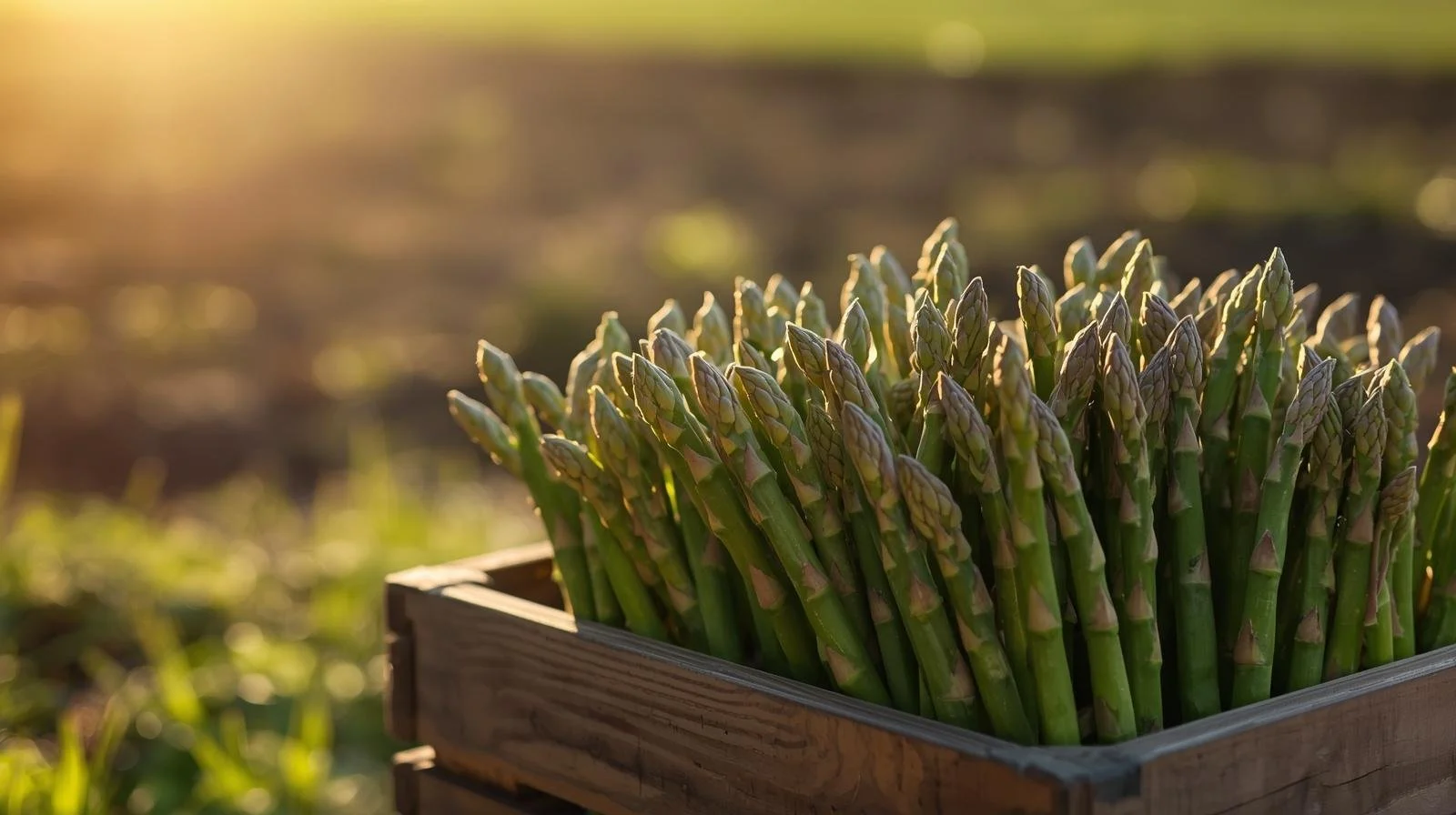
A time-tested heirloom with tender, richly flavored spears—built for long, reliable harvests in Pennsylvania gardens.
Why We Love It in Pennsylvania
Mary Washington wakes early, handles our cold winters and cool springs, and settles in for the long haul. Once established, a well-kept bed in Zones 5–6 (and neighboring 4 & 7 microclimates) can produce 15–20 years of spring spears. The variety’s sturdy crowns and classic flavor make it a favorite from backyard rows to farmhouse patches.
A Living Link to Our Agricultural Past
Introduced in the early 1900s and embraced by Mid-Atlantic growers, Mary Washington became the standard asparagus of farmhouse gardens, canneries, and farmstands. Planting it continues a Pennsylvania tradition: a perennial bed that feeds families every spring—honest food from good earth.
Quick Facts
Type: Heirloom asparagus (perennial)
Days to Germination (seed): ~10–21 days warm
First Picking: Light harvest in Year 2; full harvest from Year 3 onward
Spear Color/Size: Green spears with tight purple-tipped heads, ½–¾" diameter when prime
Best For: Fresh eating, roasting, grilling, canning, freezing
How to Grow Mary Washington in PA
Planting Options
From Seed (budget-friendly): Start indoors 10–12 weeks before last frost (often early–mid March). Transplant after frost when soil is 60°F+.
From Crowns (fastest harvest): Set 1-year crowns as soon as soil can be worked in spring (often late April–May).
Site & Soil
Light: Full sun (8+ hours).
Soil: Deep, well-drained loam, pH 6.5–7.5 with plenty of compost. Asparagus hates wet feet—raise the bed if drainage is poor.
Bed Life: Choose a permanent location; beds can produce for decades.
Starting From Seed
Pre-soak seeds 12–24 hours in warm water.
Sow in cell trays/pots at ¼–½" deep, keep 70–85°F until germination.
Grow sturdy seedlings; harden off 7–10 days before transplant.
Transplant to a nursery row first season or directly to the permanent bed (see spacing below).
Setting Crowns / Transplanting
Trench Method: Dig trenches 8–10" deep and 12" wide. Make a low ridge in the center.
Spacing: Place crowns or transplants 18" apart with buds up; rows 4–5 ft apart.
Cover Gradually: Start with 2–3" of soil over crowns; as shoots grow, backfill until level.
Water & Feeding
Keep evenly moist first two seasons.
Each spring, top-dress with 2–3" compost and a balanced organic fertilizer; repeat lightly after harvest ends to recharge crowns.
Mulch to suppress weeds (asparagus hates competition).
Harvest (Be Patient!)
Year 1: No harvest—let fronds grow and feed the crowns.
Year 2: Harvest lightly for 2–3 weeks when spears reach 6–8".
Year 3+: Harvest for 6–8 weeks, stopping when spear diameter thins to pencil size. Snap or cut at soil line in the cool of morning.
Overwintering
Allow fronds to turn golden and die back after frost; cut to ground in late fall or very early spring. Remove debris to reduce pest/disease carryover. Re-mulch.
Common PA Challenges
Asparagus Beetles (common & spotted): Scout daily in spring; hand-pick adults/larvae, remove egg-laden spears, encourage beneficials, and keep beds clean.
Asparagus Rust: Improve airflow, avoid overhead watering, remove and destroy infected fronds after frost; rotate away from volunteer asparagus.
Weeds: Mulch deeply; weed shallowly to protect crowns.
In the Kitchen
Sweet, nutty spears shine roasted or grilled with olive oil and salt, folded into quiche, or quick-sautéed with spring onions. Blanch and freeze peak spears to enjoy a taste of spring all year.
What You’ll Receive (Gowan Heritage Seeds)
Approx. seeds per packet: ~50
Germination: Current test on file; packed for high viability
Non-GMO, untreated, open-pollinated
Packed For Year & Lot: Printed on packet for traceability
Gowan Heritage Note: We honor Pennsylvania’s seed-saving roots by choosing proven heirlooms, maintaining up-to-date germination tests, and sharing planting windows that match our local seasons—so your garden keeps the story growing.
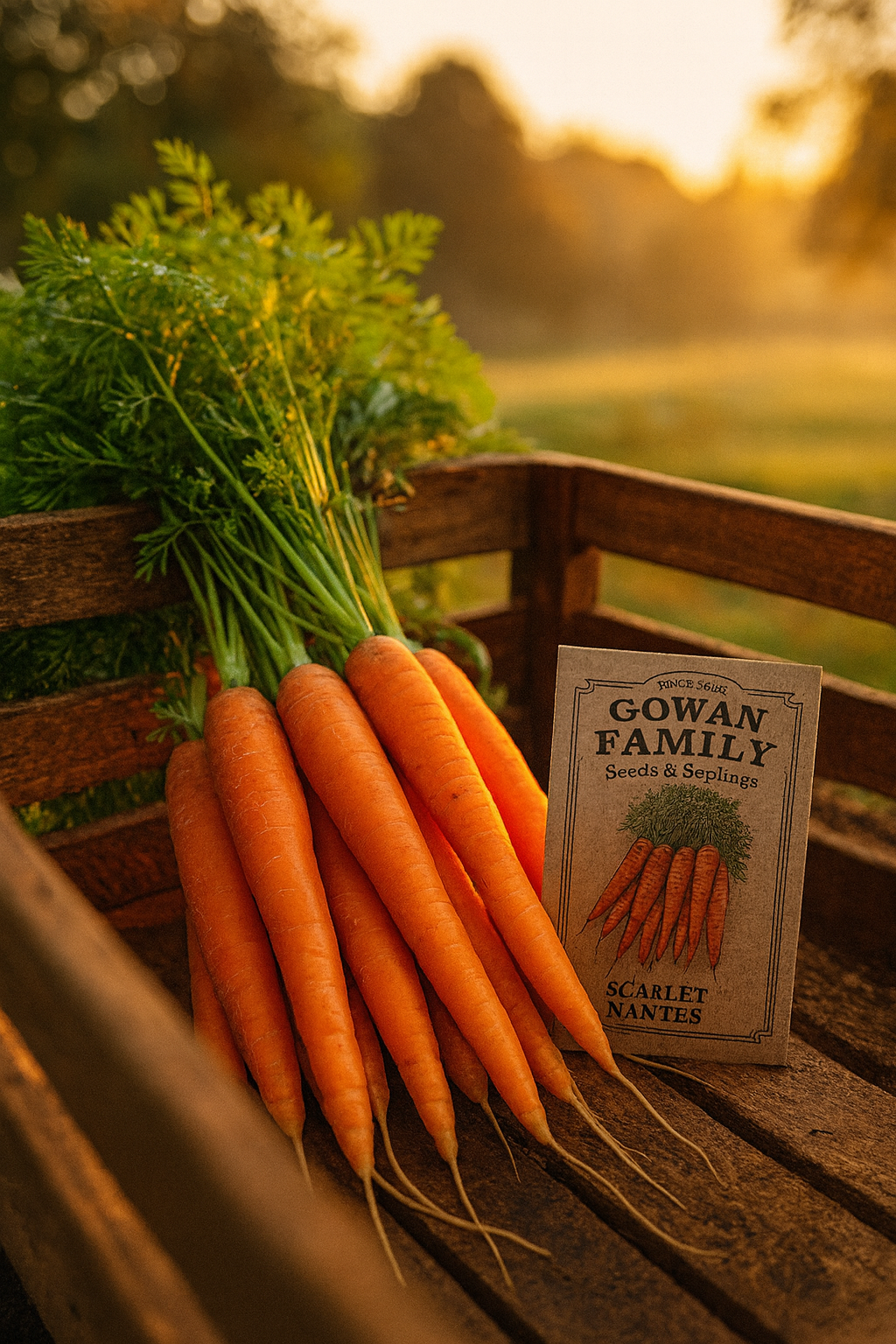
Sweet, crisp, and straight—classic orange roots bred for flavor and reliable yields in Pennsylvania gardens.
Why We Love It in Pennsylvania
Scarlet Nantes is a cool-season favorite that handles our early springs and long autumns with ease. The blunt, uniform 6–7" roots size up steadily in loose PA soils and hold sweetness when nights turn cool. In Zones 5–6 (and neighboring 4 & 7 microclimates), it’s a go-to for spring sowings and fall harvests, with best flavor after a light frost.
A Living Link to Our Agricultural Past
Nantes-type carrots have been a staple of Mid-Atlantic kitchen gardens since the 1800s—dependable, fine-grained, and easy to store. From farmhouse root cellars to Saturday market benches, this heirloom kept Pennsylvania tables bright through winter. Planting Scarlet Nantes carries that tradition forward—honest food from good earth.
Quick Facts
Type: Heirloom Nantes-type carrot
Days to Maturity: ~65–70 days
Root: 6–7", blunt tip, uniform, fine texture
Flavor: Sweet, crisp, and mildly aromatic
Best For: Fresh eating, roasting, juicing, and storage
How to Grow Scarlet Nantes in PA
When to Plant
Spring: Direct sow as soon as soil is workable and 45–70°F (often early–mid April in much of PA).
Fall: For peak sweetness, sow mid-June through late July for harvest September–November; cover in early frosts to extend.
(Higher elevations/northern counties: shift 1–2 weeks later in spring and earlier in fall.)
Site & Soil
Light: Full sun.
Soil: Loose, deep, stone-free loam; pH 6.2–6.8. Avoid fresh manure—excess nitrogen causes forked roots.
Moisture: Keep evenly moist; steady moisture prevents bitterness and cracking.
Sowing & Spacing
Direct Sow: ¼" deep in finely prepared seedbed; rows 12–18" apart.
Thin: To 2" between plants once 1–2" tall (essential for straight, full roots).
Germination Tip: Carrots sprout slowly. After sowing, keep the surface damp; you can lay a board, burlap, or row cover over the row for 3–5 days to hold moisture, then remove at emergence. Succession sow every 2–3 weeks for a longer picking window.
Care Tips
Hand-weed carefully; carrots dislike root disturbance.
Light mulch after emergence helps hold moisture and suppress weeds.
Pair with onions or scallions to confuse pests and save bed space.
Harvest
Pull when roots color up and reach ¾–1" diameter; flavor deepens after light frosts.
For storage, harvest before hard freeze, twist off tops, and store unwashed at 32–40°F with high humidity (plastic tote with vent holes, or boxes of damp sand/peat).
Common PA Challenges
Forked/crooked roots: Caused by stones, clods, or fresh manure—loosen and sift bed.
Cracking: Irregular watering—keep moisture steady.
Leaf blights (Alternaria/Cercospora): Improve airflow, water early, rotate beds, remove debris.
Root pests (wireworms): Avoid fresh sod ground; use clean rotations.
In the Kitchen
Scarlet Nantes brings bright sweetness to snack trays, slaws, and lunch boxes; it roasts to caramel perfection and juices beautifully. Fine texture means tender coins and gorgeous ribbons.
What You’ll Receive (Gowan Heritage Seeds)
Approx. seeds per packet: ~1,000
Germination: Current test on file; packed for high viability
Non-GMO, untreated, open-pollinated
Packed For Year & Lot: Printed on packet for traceability
Gowan Heritage Note: We honor Pennsylvania’s seed-saving roots by choosing proven heirlooms, maintaining up-to-date germination tests, and sharing planting windows that match our local seasons—so your garden keeps the story growing.
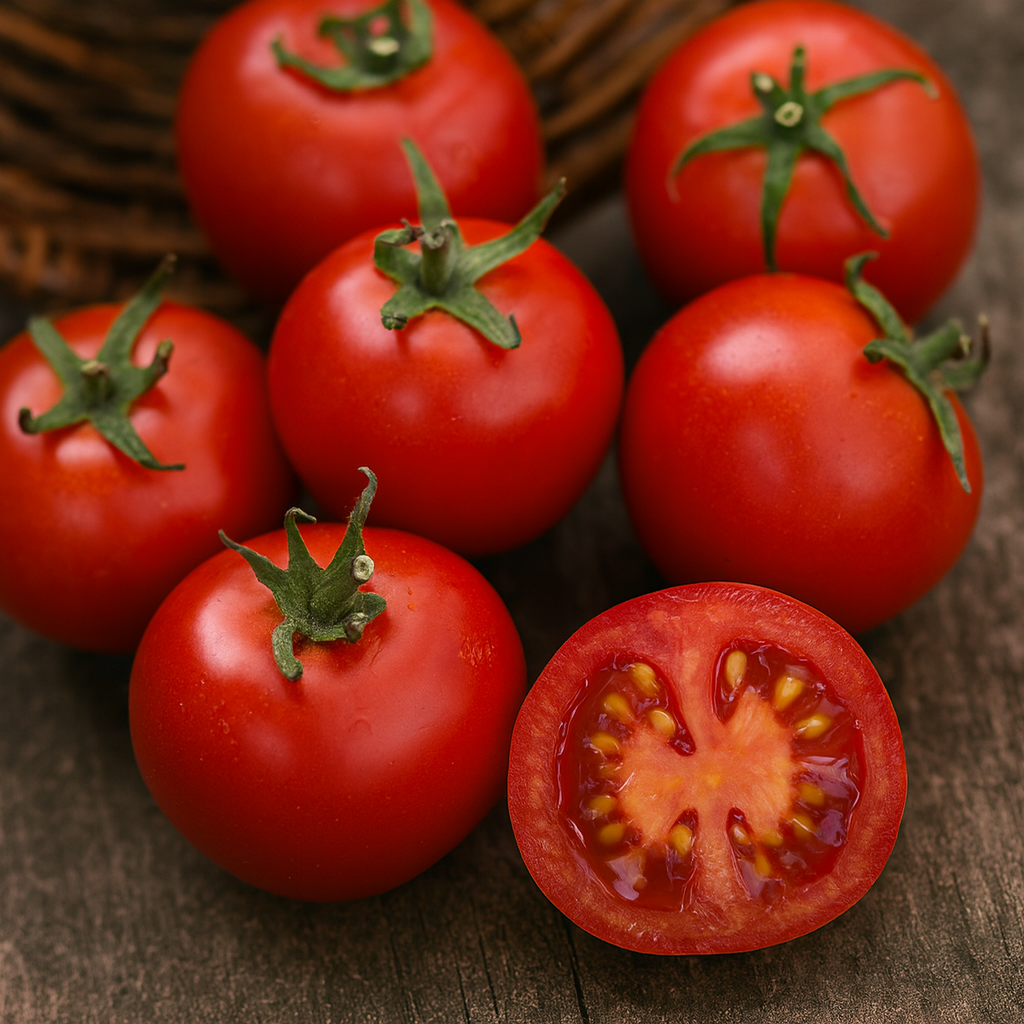
Small, round, red fruits with bright, balanced flavor—sets early and steady in cool Pennsylvania springs.
Why We Love It in Pennsylvania
Glacier was bred for cool-weather performance, making it a star for PA’s unpredictable springs. Compact, semi-determinate plants set clusters of 2–3 oz salad tomatoes even when nights are chilly, then keep producing through summer with light support. In Zones 5–6 (and neighboring 4 & 7 microclimates), it’s one of the first tomatoes you’ll taste from the garden.
A Living Link to Our Agricultural Past
Early salad tomatoes like Glacier earned their keep in farmhouse plots and Victory Gardens—fast to ripen, reliable under clouds, and generous in short seasons. Planting Glacier carries that tradition forward: honest flavor, early harvests, and a table brightened before summer’s heat arrives.
Quick Facts
Type: Early, compact semi-determinate
Days to Maturity: ~55–60 from transplant
Fruit: 2–3 oz, round, smooth red; thin skin, juicy flesh
Flavor: Bright, sweet-tart and tomato-true (excellent for fresh eating)
Best For: First-of-the-season salads, snacking, roasting, quick sauce
How to Grow Glacier in PA
When to Plant
Start Indoors:6–8 weeks before last frost (often mid–late March in much of PA).
Transplant: After frost danger when soil is 60°F+ (typically mid–late May). Harden off 7–10 days.
(Higher elevations/northern counties: shift 1–2 weeks later.)
Site & Soil
Light: Full sun (8+ hours).
Soil: Fertile, well-drained loam, pH 6.2–6.8. Mix in finished compost at planting.
Temperature: Thrives in cool nights; still appreciates warm, settled soil.
Spacing & Support
Spacing:18–24" between plants; rows 30–36" apart.
Support: Cage or single stake keeps clusters clean and improves airflow. Minimal pruning—just remove the lowest leaves after planting and any that touch soil.
Feeding & Water
Fertilizer: Light, balanced feeding at transplant and first fruit set. Avoid heavy nitrogen.
Water: 1–1½" per week; steady moisture prevents cracking and blossom end rot. Mulch after soil warms.
Harvest
Pick when fully red and slightly soft to the touch. Glacier ripens early—expect your first fruits about 8 weeks after transplant and steady pickings thereafter.
Common PA Challenges
Early/Late blight: Space for airflow, cage plants, mulch, water at soil level, rotate beds yearly; remove infected foliage promptly.
Blossom end rot: Keep moisture even; avoid letting plants dry out between waterings.
Cracking after rain: Harvest promptly; mulch helps moderate swings.
In the Kitchen
Glacier’s thin skin and juicy bite make it perfect for salads, bruschetta, and garden snacking. Halve and roast for a quick pasta toss, or cook down for a bright, fast skillet sauce.
What You’ll Receive (Gowan Heritage Seeds)
Approx. seeds per packet: ~50
Germination: Current test on file; packed for high viability
Non-GMO, untreated, open-pollinated
Packed For Year & Lot: Printed on packet for traceability
Gowan Heritage Note: We honor Pennsylvania’s seed-saving roots by choosing proven heirlooms, maintaining up-to-date germination tests, and sharing planting windows that match our local seasons—so your garden keeps the story growing.
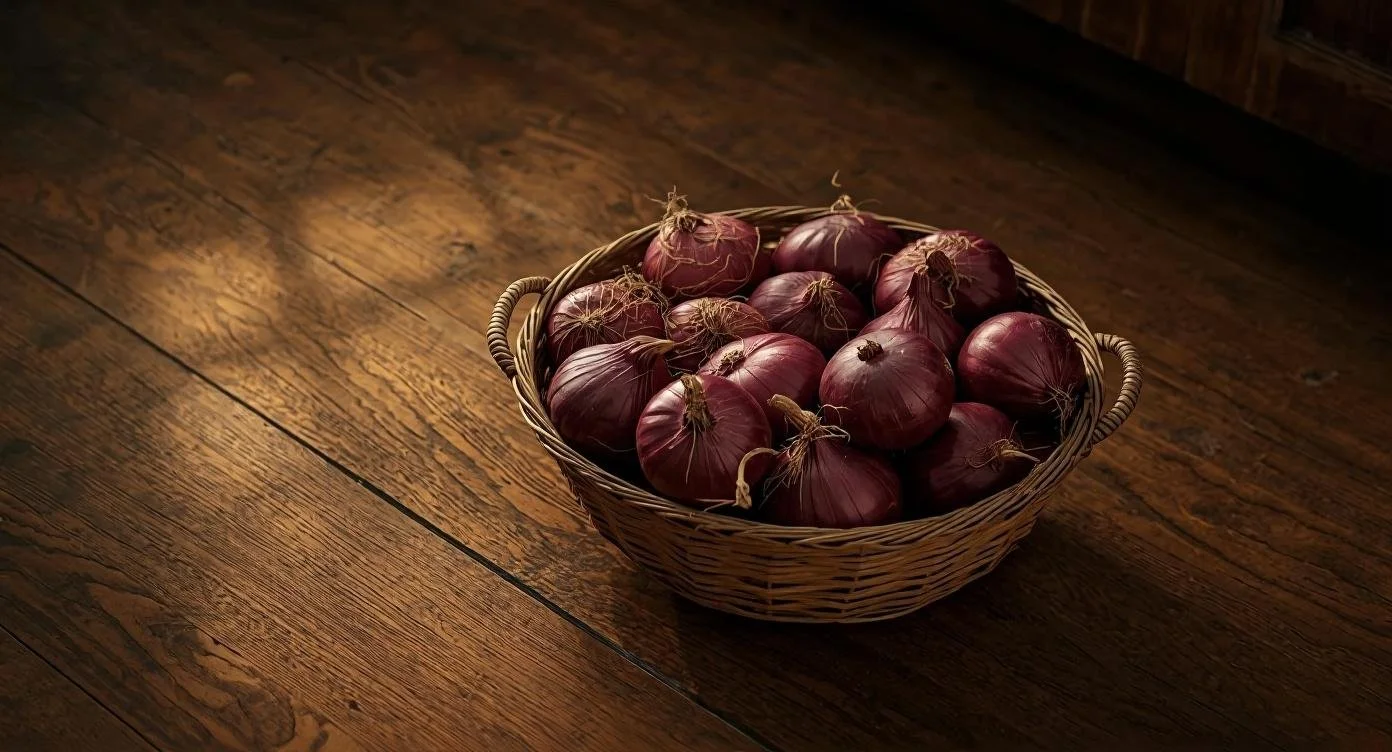
Rich crimson bulbs with a mild, sweet bite. They are ideal for northern gardens and Pennsylvania’s growing season.
Why We Love It in Pennsylvania
Short Red Burgundy is a beautiful, dependable variety that thrives in our intermediate-day light conditions, producing full, firm bulbs even in cooler or shorter summers. Its deep red skins and tender pink-white interiors make it a favorite for fresh slicing, roasting, and pickling. In Zones 5–6 (and neighboring 4 & 7 microclimates), it performs beautifully both from seed and transplant, maturing quickly for storage or fresh market use.
A Living Link to Our Agricultural Past
Red onions like Short Red Burgundy have been cultivated in home gardens and small farms across the Midwest and Mid-Atlantic for generations. prized for their flavor and keeping quality. Farmers once bundled these crimson bulbs for roadside stands and local markets, where their color and sweetness made them stand out. Growing Short Red Burgundy carries that legacy forward—handsome, flavorful onions grown slow and true.
Quick Facts
Type: Heirloom intermediate-day onion
Days to Maturity: ~100–110 from transplant, ~115–120 from seed
Bulb Size: 3–4" diameter; flattened globe shape
Skin/Flesh: Deep red outer skins, rose-tinted rings inside
Flavor: Mild and sweet, excellent raw or roasted
Best For: Fresh slicing, grilling, pickling, short-term storage
How to Grow Short Red Burgundy in PA
When to Plant
Start Indoors:10–12 weeks before last frost (often early February to mid-March in much of PA).
Transplant Outdoors: When soil reaches 50°F+, typically mid–late April.
Direct Sow: Only in southern or lower-elevation parts of PA where the growing season exceeds 110 days.
(Higher elevations/northern counties: always start indoors.)
Site & Soil
Light: Full sun (8+ hours).
Soil: Loose, rich, and well-drained with pH 6.2–7.0. Onions prefer sandy loam enriched with compost.
Fertility: High feeders—add balanced fertilizer or compost before planting and side-dress during bulbing. Avoid heavy nitrogen late in the season to prevent soft bulbs.
Sowing & Transplanting
Seed Depth: ¼" deep, firm soil lightly.
Transplant Spacing: 4" between plants, 12–18" between rows.
Thinning: When starting in flats, trim tops to 3–4" to keep seedlings sturdy.
Hardening Off: Gradually expose seedlings to outdoor air and sunlight for 7–10 days before transplanting.
Water & Care
Water: Keep evenly moist, especially through bulbing—aim for 1" per week minimum.
Mulch: Apply straw or compost mulch to conserve moisture and reduce weeds.
Weeding: Keep soil surface loose and free of competition; onions have shallow roots.
Fertilize: Feed every 3–4 weeks early in growth; stop feeding once bulbs begin to size up.
Harvest & Curing
Harvest when 50–75% of the tops fall naturally and necks begin to soften.
Loosen bulbs gently with a fork and lay them on the soil surface (weather permitting) or move to a covered, airy area.
Cure for 10–14 days until necks and skins are dry, then trim tops and roots.
Store cured onions in mesh bags or crates in a cool, dry, ventilated space at 40–50°F.
Best used within 3–4 months.
Common PA Challenges
Onion Maggot: Rotate annually, avoid planting near last year’s onion or allium beds, and use row cover if pressure is high.
Downy Mildew & Botrytis: Space for airflow, water early in the day, avoid overhead watering, remove plant debris after harvest.
Bulbs not sizing: Often due to crowding, late planting, or nutrient stress; ensure full sun and timely feeding.
In the Kitchen
Short Red Burgundy’s sweet, mild flavor shines in salads, sandwiches, and salsas. Roast or caramelize to bring out a rich, almost wine-like sweetness. Perfect for pickling or fresh summer cooking—these onions bring color and flavor to every plate.
What You’ll Receive (Gowan Heritage Seeds)
Approx. seeds per packet: ~500
Germination: Current test on file; packed for high viability
Non-GMO, untreated, open-pollinated
Packed For Year & Lot: Printed on packet for traceability
Gowan Heritage Note: We honor Pennsylvania’s seed-saving roots by choosing proven heirlooms, maintaining up-to-date germination tests, and sharing planting windows that match our local seasons—so your garden keeps the story growing.
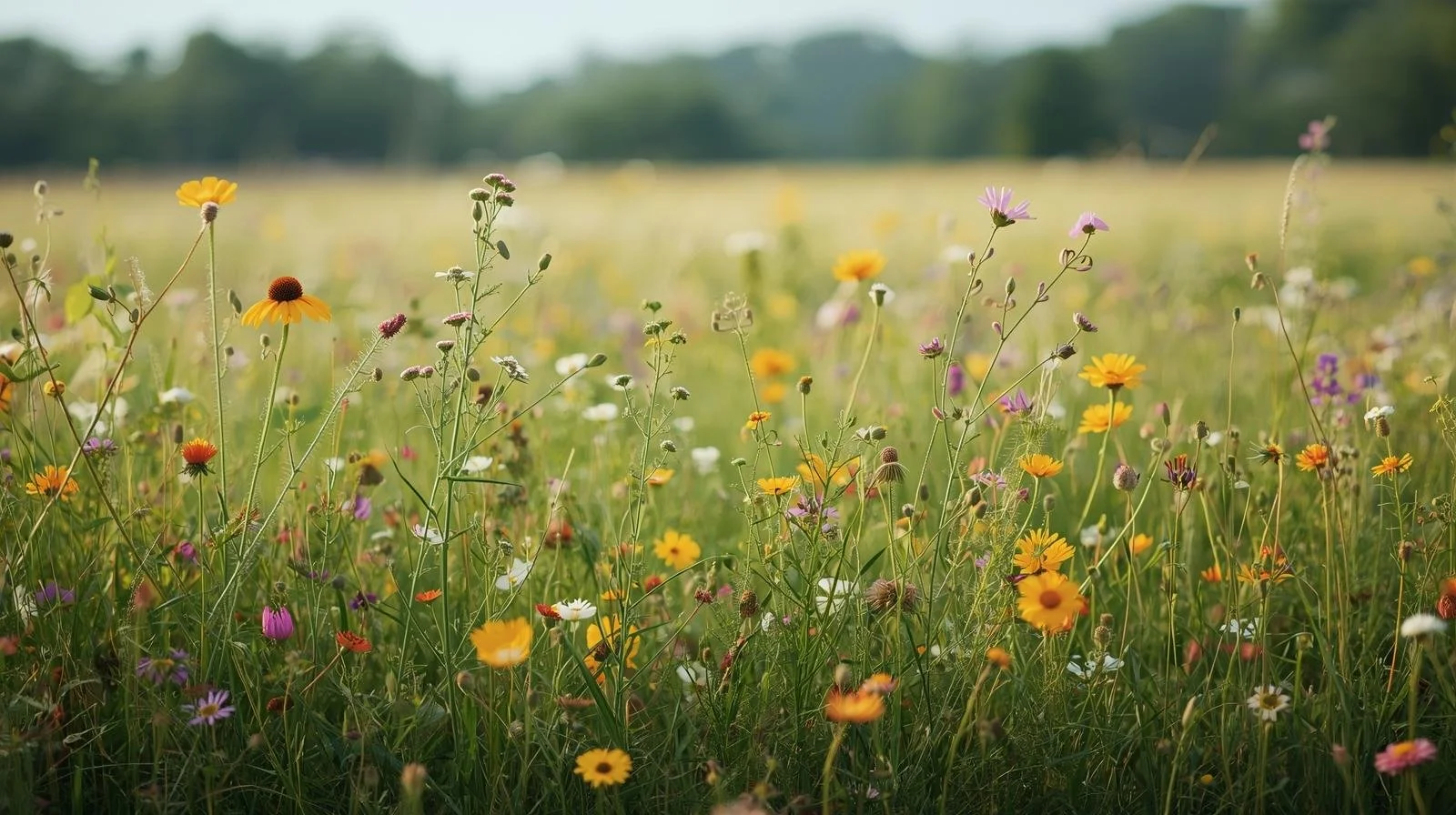
Northern Wildflower Collection
A celebration of color, pollinators, and the untamed spirit of the land. These heirloom and native blooms bring life to every corner of the garden - feeding bees, butterflies, and songbirds while stitching beauty back into the landscape. Whether you’re planting a meadow, border, or window box, each packet carries the promise of renewal and the joy of letting nature take her course.
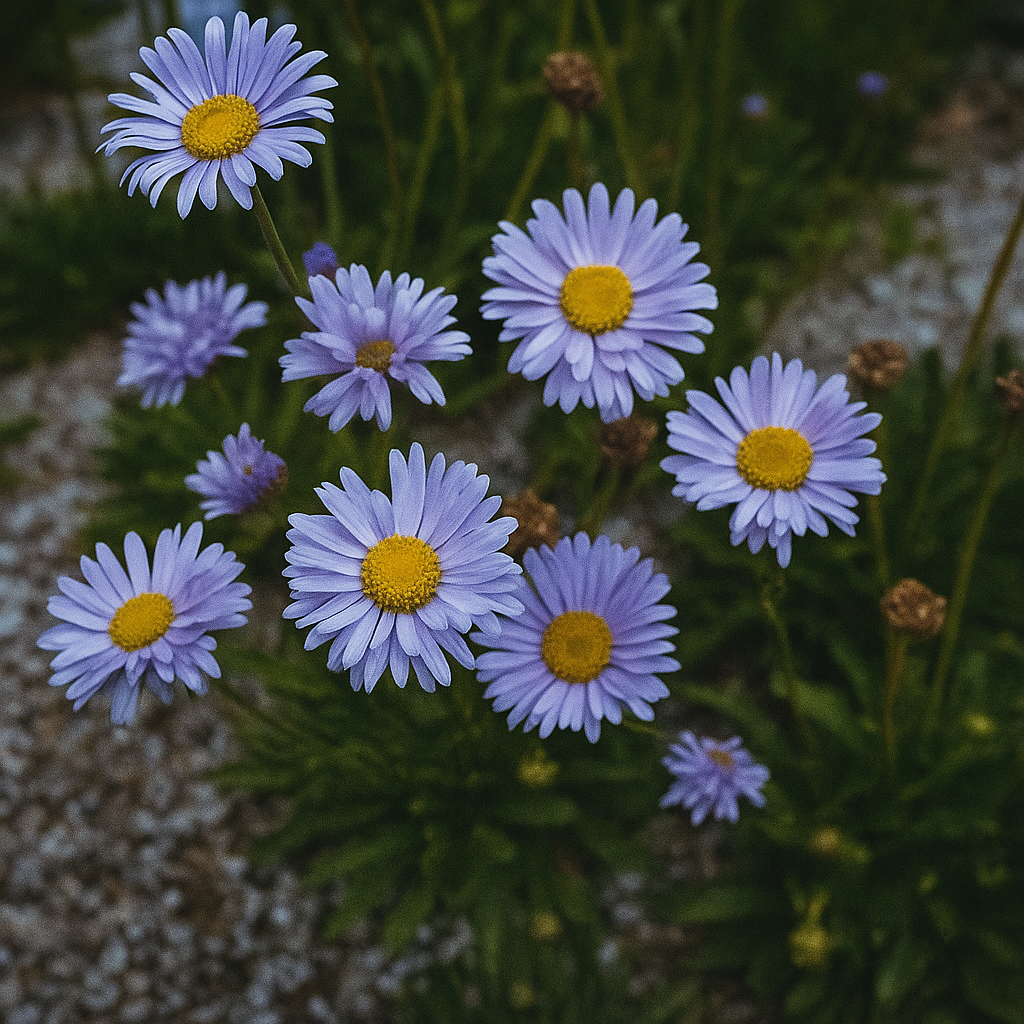
A carpet of soft, dainty blooms in shades of lavender, sky blue, and white—graceful and enduring, a touch of wild charm for Pennsylvania gardens.
Why We Love It in Pennsylvania
Though native to the open plains of Australia, Brachyscome has proven itself a hardy and delightful addition to northern gardens. Its fine, fern-like foliage and cheerful daisylike flowers thrive in our cooler summers and bright spring days, spilling over borders, rock walls, and garden paths with effortless beauty. In Zones 5–7, it grows as an annual but blooms continuously from late spring until frost, shrugging off light chill and midsummer heat alike.
A Living Link to Our Agricultural Past
In the early 1900s, cottage gardeners prized Brachyscome for its long bloom and gentle demeanor—an easy, generous flower for edging kitchen plots and walkways. Seed catalogs of the era called it “the poor man’s posy,” as it needed little care but rewarded even the humblest soil with months of color. Planting it today keeps that simple grace alive: beauty born from thrift and patience.
Quick Facts
Type: Annual in northern climates; perennial in Zones 9–11
Days to Bloom: ~90–100 days from sowing
Height/Spread: 6–12" tall × 8–12" wide
Color: Shades of blue, violet, lilac, and white with golden centers
Habit: Mounded, spreading; excellent for edging, containers, and borders
Best For: Pollinator gardens, window boxes, cottage beds, and soft ground cover
How to Grow Brachyscome in PA
When to Plant
Start Indoors: 6–8 weeks before last frost (usually mid-March for most of PA).
Transplant: After danger of frost, when soil warms to 55°F+ (typically mid-May).
Direct Sow: Possible once soil has warmed, though indoor starts give earlier blooms.
(Higher elevations and northern counties: start a week or two later.)
Site & Soil
Light: Full sun to part shade. In hotter southern counties, a touch of afternoon shade keeps blooms strong.
Soil: Loose, well-drained soil with moderate fertility; too much nitrogen encourages leaves over flowers.
pH: 6.0–7.5.
Moisture: Prefers steady moisture but tolerates short dry spells once established.
Sowing & Transplanting
Seed Depth: Press gently onto surface; requires light to germinate.
Germination Time: 10–15 days at 65–70°F.
Transplant Spacing: 8–10" apart for dense borders or mass plantings.
Care Tips
Pinch early growth to encourage branching and fuller plants.
Deadhead regularly to prolong blooming.
Feed lightly every 3–4 weeks with balanced organic fertilizer if soil is lean.
In containers, keep evenly moist and trim lightly mid-season to refresh.
Common PA Challenges
Excessive rain: Ensure good drainage to prevent root rot.
Powdery mildew: Improve airflow, avoid crowding, and water at soil level.
Leggy growth: Caused by too little light—choose sunny spots whenever possible.
In the Garden
Brachyscome brings a cottage-garden softness wherever it’s sown. Pair it with alyssum, violas, or creeping thyme for a border that hums with bees and butterflies. Its petite blooms fill in around herbs and vegetables, lending charm to every corner and a hint of meadow sweetness to the structured beds of the modern garden.
What You’ll Receive (Gowan Heritage Seeds)
Approx. seeds per packet: ~1,000
Germination: Tested and packed for high viability
Non-GMO, untreated, open-pollinated
Packed For Year & Lot: Printed on packet for traceability
Gowan Heritage Note: We honor Pennsylvania’s seed-saving roots by offering time-tested varieties that pair beauty with purpose, maintaining up-to-date germination tests and sharing planting windows that match our local seasons—so your garden keeps the story growing.
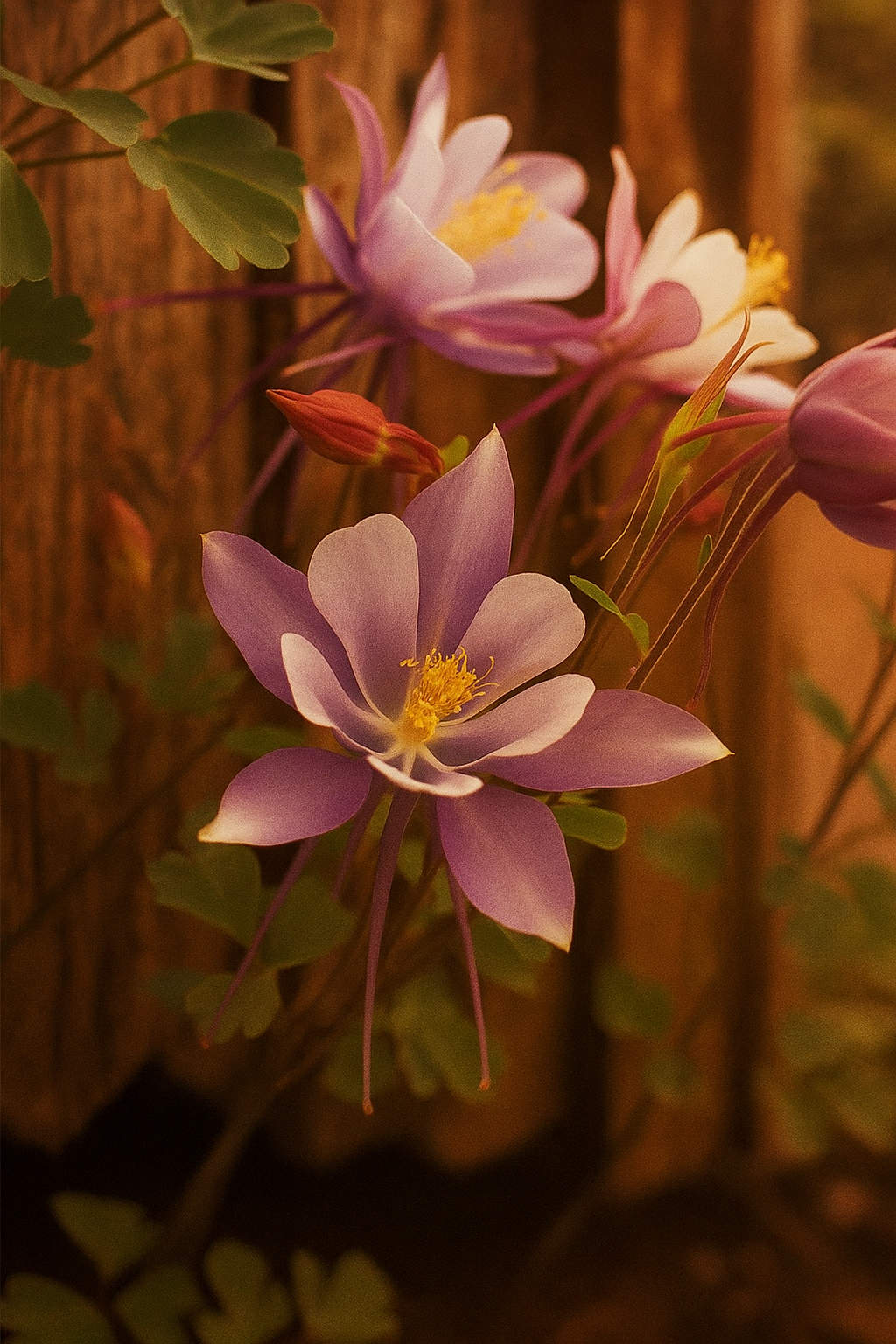
A blend of graceful, long-spurred blooms in shades of sapphire blue, rose, ivory, and violet—dancing on slender stems like dragonflies in spring sunlight.
Why We Love It in Pennsylvania
The Dragonfly Mix brings color and charm to every corner of the garden, thriving in our cool Pennsylvania springs and bright woodland edges. Its elegant, nodding blooms sway gently in the breeze, drawing pollinators—especially hummingbirds and bumblebees—from early May through June. Hardy in Zones 3–8, these perennials bloom year after year, self-sowing lightly for a natural, cottage-garden feel. Whether planted along fences, stone paths, or shaded flower borders, they return faithfully, even through our frosty winters and humid summers.
A Living Link to Our Agricultural Past
Columbine has been a favorite of American gardeners since the 18th century, when its wild cousins grew freely along the Appalachians. The Dragonfly Mix recalls the Victorian passion for color and form, when gardeners prized intricate blossoms for cutting and ornament. In old seed catalogs, it was called “the flower of fairy wings”—a perfect emblem for the delicate beauty found in old-fashioned gardens. Planting it now keeps that tradition alive: nature’s art, grown by hand.
Quick Facts
Type: Heirloom perennial (self-seeding)
Bloom Time: Late spring to early summer
Height/Spread: 24–30" tall × 12–18" wide
Colors: Mixed shades of blue, violet, rose, pink, white, and bi-colored tones
Habit: Airy, upright growth; fern-like foliage
Best For: Pollinator gardens, borders, and shaded cottage beds
How to Grow Columbine ‘Dragonfly Mix’ in PA
When to Plant
Start Indoors: 8–10 weeks before last frost (mid-February–March in most of PA).
Direct Sow: After frost, or sow in fall for natural cold stratification.
Transplant Outdoors: Once danger of frost has passed (late April–May).
(In northern counties, wait until soil warms slightly and frost risk is past.)
Site & Soil
Light: Full sun to partial shade. Prefers morning sun and dappled afternoon light.
Soil: Rich, well-drained soil with pH 6.0–7.0.
Moisture: Moderate, consistent moisture; avoid waterlogging.
Sowing & Germination
Seed Depth: Lightly press into soil; requires light for germination.
Germination Time: 20–30 days at 60–65°F.
Tip:Cold stratify for 3 weeks before sowing for best germination.
Care Tips
Deadhead spent blooms to encourage reblooming and maintain neatness.
Allow some flowers to set seed for self-sowing and natural spreading.
Thin or transplant young seedlings in fall to expand your bed.
Foliage can be trimmed back after bloom to refresh growth.
Common PA Challenges
Leaf miners: Remove affected leaves; avoid overhead watering.
Powdery mildew: Space for airflow, mulch lightly, and avoid crowding.
Short-lived plants: Columbine lives 2–3 years but self-seeds freely—letting you enjoy it for decades.
In the Garden
The Dragonfly Mix paints the garden in a watercolor wash of soft pastels and rich jewel tones. Perfect for woodland edges, cottage borders, and pollinator patches, its blooms flutter above the leaves like tiny wings in motion. Pair it with foxglove, bleeding heart, and forget-me-nots for a classic heritage border alive with bees and hummingbirds.
What You’ll Receive (Gowan Heritage Seeds)
Approx. seeds per packet: ~50
Germination: Tested and packed for high viability
Non-GMO, untreated, open-pollinated
Packed For Year & Lot: Printed on packet for traceability
Gowan Heritage Note: We honor Pennsylvania’s seed-saving roots by choosing proven heirlooms, maintaining up-to-date germination tests, and sharing planting windows that match our local seasons—so your garden keeps the story growing.
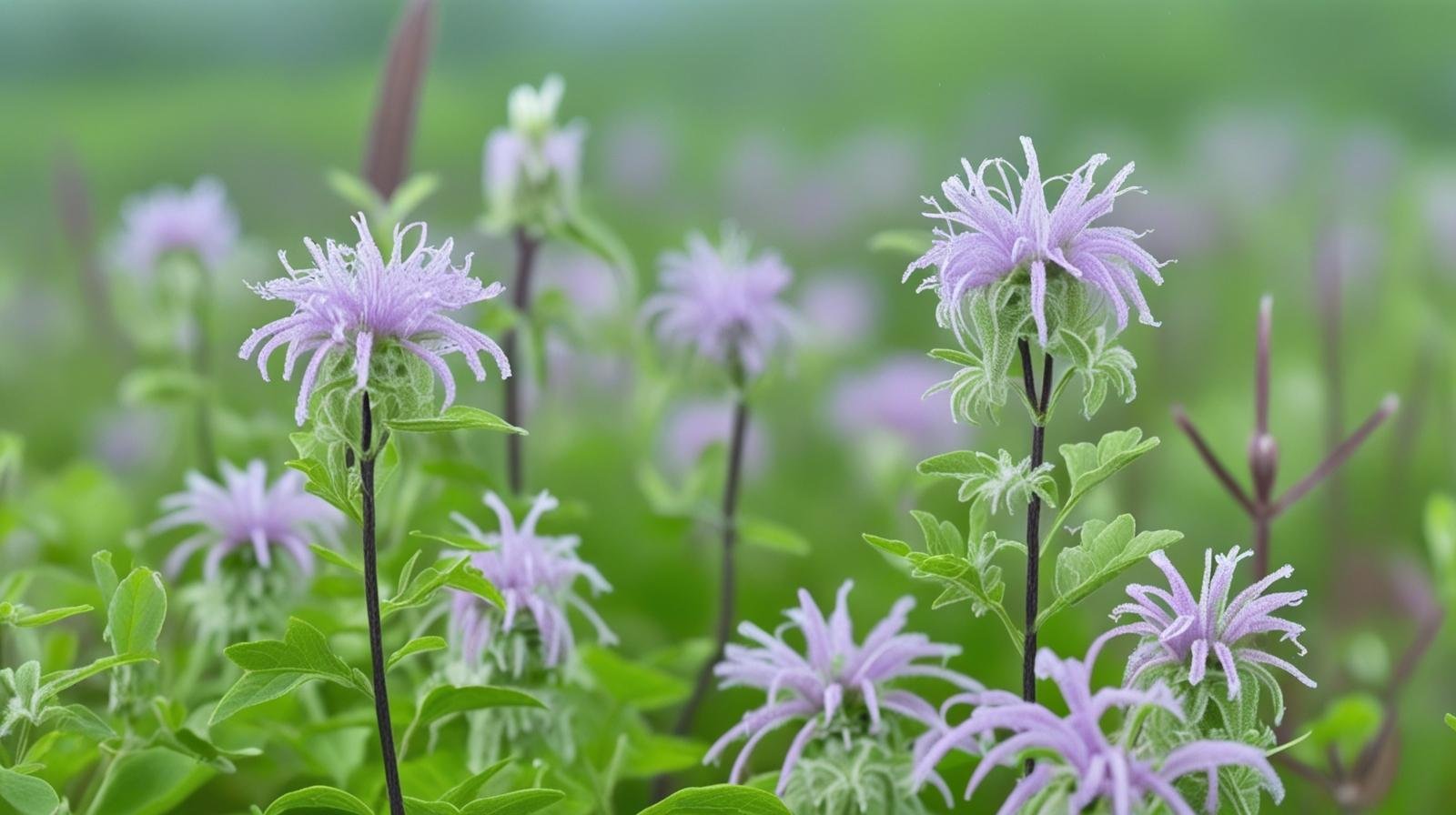
Lavender blooms that dance with bees, butterflies, and hummingbirds—aromatic, resilient, and deeply rooted in America’s native soil.
Why We Love It in Pennsylvania
Wild Bergamot is a natural choice for Pennsylvania gardens, thriving in our long summers and cool autumns. With its soft, tufted flowers and minty fragrance, it brings both beauty and life to the garden—drawing pollinators in clouds and filling the air with a gentle herbal scent. Native to the meadows and woodlands of the Northeast, this variety grows easily in Zones 4–8, standing strong through drought, clay, or rocky soil. It’s equally at home in wildflower meadows, cottage borders, and herb gardens, blooming from mid-summer through early fall when many blossoms fade.
A Living Link to Our Agricultural Past
Bee Balm has been treasured for centuries—first by Indigenous peoples for its medicinal and ceremonial use, and later by early settlers who brewed it as “Oswego Tea” after the Boston Tea Party. Wild Bergamot became a staple of homestead gardens for both its healing properties and its power to attract pollinators to vegetable rows and orchards. Planting it today keeps those traditions alive—combining usefulness, beauty, and ecological balance, just as it did for generations before.
Quick Facts
Type: Native perennial herb
Days to Bloom: Blooms in the second year from seed; mid to late summer each year thereafter
Height/Spread: 2–4 ft tall × 1.5–2 ft wide
Color: Soft lavender to pale purple
Habit: Upright, branching stems with whorls of tubular flowers
Best For: Pollinator gardens, herbal beds, borders, and naturalized meadows
How to Grow Wild Bergamot in PA
When to Plant
Start Indoors: 8–10 weeks before last frost (mid-February–March in most of PA).
Direct Sow: After danger of frost (late April–May), or in fall for natural stratification.
Transplant Outdoors: When seedlings are 4–6" tall and soil has warmed.
(In northern or mountain regions, sow 1–2 weeks later.)
Site & Soil
Light: Full sun to light shade.
Soil: Well-drained but adaptable; prefers loamy or sandy soil, pH 6.0–7.5.
Moisture: Average moisture; drought-tolerant once established, though steady watering during bloom increases flower production.
Sowing & Germination
Seed Depth: Lightly press into soil surface; needs light to germinate.
Germination Time: 10–20 days at 65–70°F.
Cold Stratification: Optional but improves germination; refrigerate seeds for 2–4 weeks before planting.
Care Tips
Pinch young plants to encourage bushier growth.
Divide clumps every 3–4 years to maintain vigor and prevent overcrowding.
Deadhead for continued bloom, or leave late-season seed heads for birds.
Cut plants back to 3–4" after frost to tidy beds and prevent mildew spread.
Common PA Challenges
Powdery mildew: Bee Balm’s only real weakness—choose open, airy spots and avoid overhead watering. Thin stems mid-season if crowded.
Spreading roots: Can expand by rhizomes; divide or contain every few years.
Deer and rabbit resistant: Aromatic foliage naturally deters browsing.
In the Garden
Wild Bergamot stands tall and free in any setting, its fragrant flowers beloved by bees and hummingbirds. Its silvery-green leaves complement cornflower, black-eyed Susan, and milkweed for a true native pollinator palette. In the herb garden, it adds scent and substance—its leaves can be dried for tea, and its blossoms lend beauty to any bouquet or salve.
What You’ll Receive (Gowan Heritage Seeds)
Approx. seeds per packet: ~1,000
Germination: Tested and packed for high viability
Non-GMO, untreated, open-pollinated
Packed For Year & Lot: Printed on packet for traceability
Gowan Heritage Note: We honor Pennsylvania’s seed-saving roots by choosing proven heirlooms and native species, maintaining up-to-date germination tests, and sharing planting windows that match our local seasons—so your garden keeps the story growing.