
 Image 1 of 1
Short Red Burgundy Onion - Allium cepa (Heirloom, Intermediate Day)
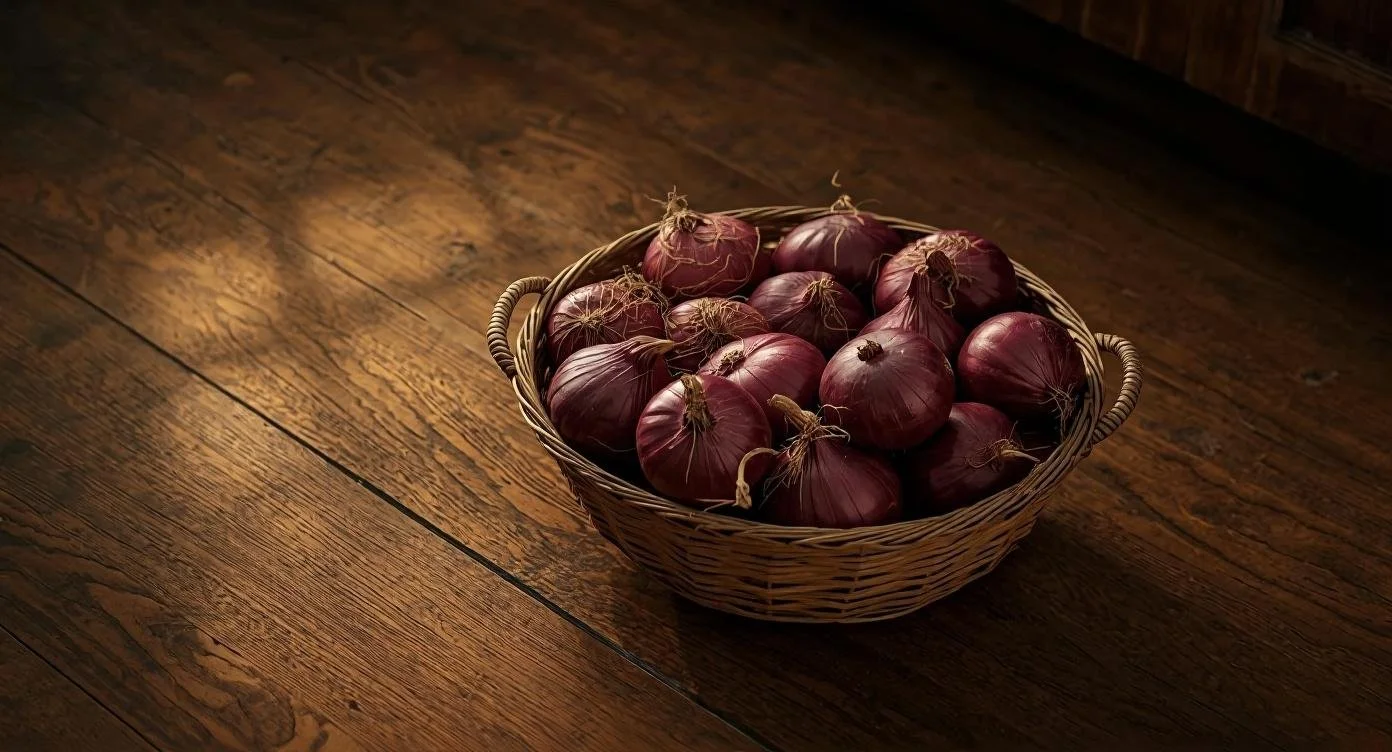
Rich crimson bulbs with a mild, sweet bite. They are ideal for northern gardens and Pennsylvania’s growing season.
Why We Love It in Pennsylvania
Short Red Burgundy is a beautiful, dependable variety that thrives in our intermediate-day light conditions, producing full, firm bulbs even in cooler or shorter summers. Its deep red skins and tender pink-white interiors make it a favorite for fresh slicing, roasting, and pickling. In Zones 5–6 (and neighboring 4 & 7 microclimates), it performs beautifully both from seed and transplant, maturing quickly for storage or fresh market use.
A Living Link to Our Agricultural Past
Red onions like Short Red Burgundy have been cultivated in home gardens and small farms across the Midwest and Mid-Atlantic for generations. prized for their flavor and keeping quality. Farmers once bundled these crimson bulbs for roadside stands and local markets, where their color and sweetness made them stand out. Growing Short Red Burgundy carries that legacy forward—handsome, flavorful onions grown slow and true.
Quick Facts
Type: Heirloom intermediate-day onion
Days to Maturity: ~100–110 from transplant, ~115–120 from seed
Bulb Size: 3–4" diameter; flattened globe shape
Skin/Flesh: Deep red outer skins, rose-tinted rings inside
Flavor: Mild and sweet, excellent raw or roasted
Best For: Fresh slicing, grilling, pickling, short-term storage
How to Grow Short Red Burgundy in PA
When to Plant
Start Indoors:10–12 weeks before last frost (often early February to mid-March in much of PA).
Transplant Outdoors: When soil reaches 50°F+, typically mid–late April.
Direct Sow: Only in southern or lower-elevation parts of PA where the growing season exceeds 110 days.
(Higher elevations/northern counties: always start indoors.)
Site & Soil
Light: Full sun (8+ hours).
Soil: Loose, rich, and well-drained with pH 6.2–7.0. Onions prefer sandy loam enriched with compost.
Fertility: High feeders—add balanced fertilizer or compost before planting and side-dress during bulbing. Avoid heavy nitrogen late in the season to prevent soft bulbs.
Sowing & Transplanting
Seed Depth: ¼" deep, firm soil lightly.
Transplant Spacing: 4" between plants, 12–18" between rows.
Thinning: When starting in flats, trim tops to 3–4" to keep seedlings sturdy.
Hardening Off: Gradually expose seedlings to outdoor air and sunlight for 7–10 days before transplanting.
Water & Care
Water: Keep evenly moist, especially through bulbing—aim for 1" per week minimum.
Mulch: Apply straw or compost mulch to conserve moisture and reduce weeds.
Weeding: Keep soil surface loose and free of competition; onions have shallow roots.
Fertilize: Feed every 3–4 weeks early in growth; stop feeding once bulbs begin to size up.
Harvest & Curing
Harvest when 50–75% of the tops fall naturally and necks begin to soften.
Loosen bulbs gently with a fork and lay them on the soil surface (weather permitting) or move to a covered, airy area.
Cure for 10–14 days until necks and skins are dry, then trim tops and roots.
Store cured onions in mesh bags or crates in a cool, dry, ventilated space at 40–50°F.
Best used within 3–4 months.
Common PA Challenges
Onion Maggot: Rotate annually, avoid planting near last year’s onion or allium beds, and use row cover if pressure is high.
Downy Mildew & Botrytis: Space for airflow, water early in the day, avoid overhead watering, remove plant debris after harvest.
Bulbs not sizing: Often due to crowding, late planting, or nutrient stress; ensure full sun and timely feeding.
In the Kitchen
Short Red Burgundy’s sweet, mild flavor shines in salads, sandwiches, and salsas. Roast or caramelize to bring out a rich, almost wine-like sweetness. Perfect for pickling or fresh summer cooking—these onions bring color and flavor to every plate.
What You’ll Receive (Gowan Heritage Seeds)
Approx. seeds per packet: ~500
Germination: Current test on file; packed for high viability
Non-GMO, untreated, open-pollinated
Packed For Year & Lot: Printed on packet for traceability
Gowan Heritage Note: We honor Pennsylvania’s seed-saving roots by choosing proven heirlooms, maintaining up-to-date germination tests, and sharing planting windows that match our local seasons—so your garden keeps the story growing.
Rich crimson bulbs with a mild, sweet bite. They are ideal for northern gardens and Pennsylvania’s growing season.
Why We Love It in Pennsylvania
Short Red Burgundy is a beautiful, dependable variety that thrives in our intermediate-day light conditions, producing full, firm bulbs even in cooler or shorter summers. Its deep red skins and tender pink-white interiors make it a favorite for fresh slicing, roasting, and pickling. In Zones 5–6 (and neighboring 4 & 7 microclimates), it performs beautifully both from seed and transplant, maturing quickly for storage or fresh market use.
A Living Link to Our Agricultural Past
Red onions like Short Red Burgundy have been cultivated in home gardens and small farms across the Midwest and Mid-Atlantic for generations. prized for their flavor and keeping quality. Farmers once bundled these crimson bulbs for roadside stands and local markets, where their color and sweetness made them stand out. Growing Short Red Burgundy carries that legacy forward—handsome, flavorful onions grown slow and true.
Quick Facts
Type: Heirloom intermediate-day onion
Days to Maturity: ~100–110 from transplant, ~115–120 from seed
Bulb Size: 3–4" diameter; flattened globe shape
Skin/Flesh: Deep red outer skins, rose-tinted rings inside
Flavor: Mild and sweet, excellent raw or roasted
Best For: Fresh slicing, grilling, pickling, short-term storage
How to Grow Short Red Burgundy in PA
When to Plant
Start Indoors:10–12 weeks before last frost (often early February to mid-March in much of PA).
Transplant Outdoors: When soil reaches 50°F+, typically mid–late April.
Direct Sow: Only in southern or lower-elevation parts of PA where the growing season exceeds 110 days.
(Higher elevations/northern counties: always start indoors.)
Site & Soil
Light: Full sun (8+ hours).
Soil: Loose, rich, and well-drained with pH 6.2–7.0. Onions prefer sandy loam enriched with compost.
Fertility: High feeders—add balanced fertilizer or compost before planting and side-dress during bulbing. Avoid heavy nitrogen late in the season to prevent soft bulbs.
Sowing & Transplanting
Seed Depth: ¼" deep, firm soil lightly.
Transplant Spacing: 4" between plants, 12–18" between rows.
Thinning: When starting in flats, trim tops to 3–4" to keep seedlings sturdy.
Hardening Off: Gradually expose seedlings to outdoor air and sunlight for 7–10 days before transplanting.
Water & Care
Water: Keep evenly moist, especially through bulbing—aim for 1" per week minimum.
Mulch: Apply straw or compost mulch to conserve moisture and reduce weeds.
Weeding: Keep soil surface loose and free of competition; onions have shallow roots.
Fertilize: Feed every 3–4 weeks early in growth; stop feeding once bulbs begin to size up.
Harvest & Curing
Harvest when 50–75% of the tops fall naturally and necks begin to soften.
Loosen bulbs gently with a fork and lay them on the soil surface (weather permitting) or move to a covered, airy area.
Cure for 10–14 days until necks and skins are dry, then trim tops and roots.
Store cured onions in mesh bags or crates in a cool, dry, ventilated space at 40–50°F.
Best used within 3–4 months.
Common PA Challenges
Onion Maggot: Rotate annually, avoid planting near last year’s onion or allium beds, and use row cover if pressure is high.
Downy Mildew & Botrytis: Space for airflow, water early in the day, avoid overhead watering, remove plant debris after harvest.
Bulbs not sizing: Often due to crowding, late planting, or nutrient stress; ensure full sun and timely feeding.
In the Kitchen
Short Red Burgundy’s sweet, mild flavor shines in salads, sandwiches, and salsas. Roast or caramelize to bring out a rich, almost wine-like sweetness. Perfect for pickling or fresh summer cooking—these onions bring color and flavor to every plate.
What You’ll Receive (Gowan Heritage Seeds)
Approx. seeds per packet: ~500
Germination: Current test on file; packed for high viability
Non-GMO, untreated, open-pollinated
Packed For Year & Lot: Printed on packet for traceability
Gowan Heritage Note: We honor Pennsylvania’s seed-saving roots by choosing proven heirlooms, maintaining up-to-date germination tests, and sharing planting windows that match our local seasons—so your garden keeps the story growing.