
 Image 1 of 1
Bloomsdale Spinach (Spinacia oleracea)
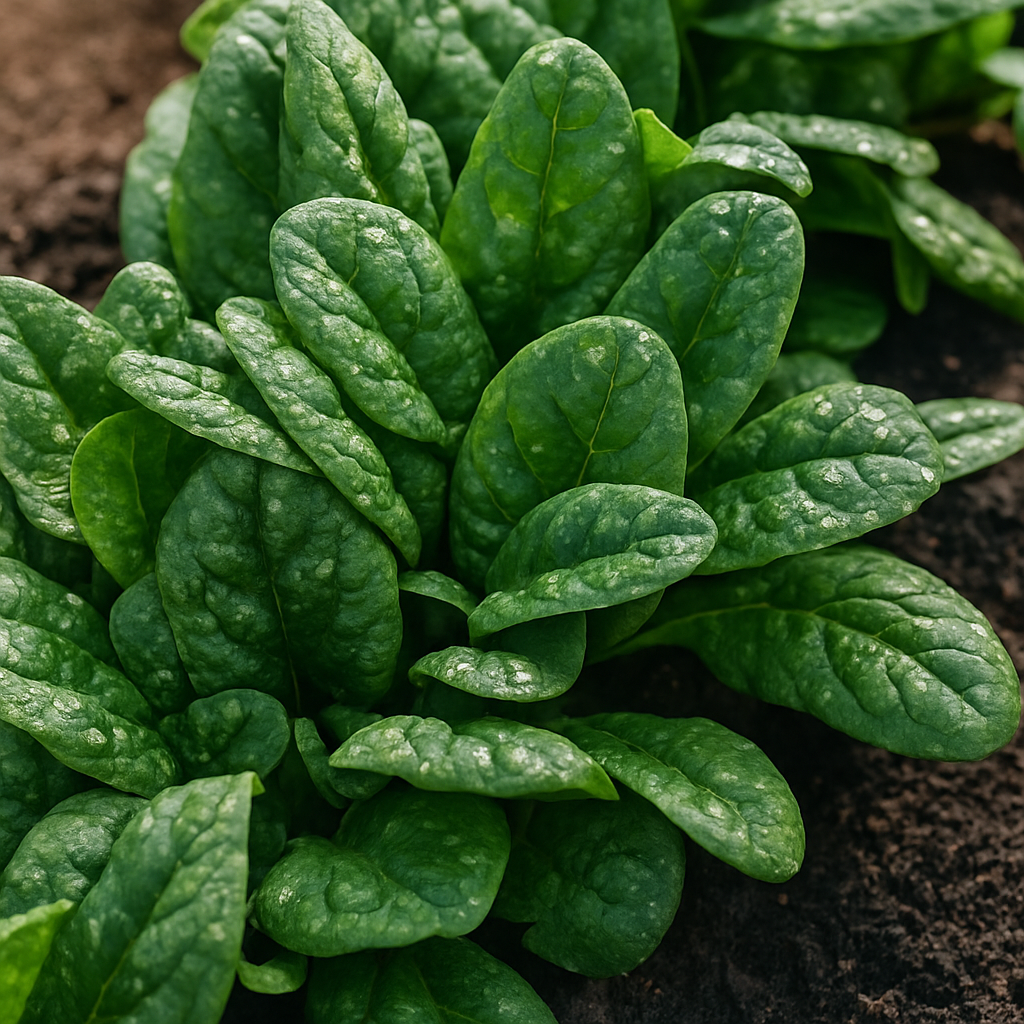
Crinkled, deep-green leaves with sweet, sturdy flavor—built for cool Pennsylvania seasons.
Why We Love It in Pennsylvania
Bloomsdale is a cool-weather staple that shrugs off frosty nights and wakes early in spring. Its thick, savoyed leaves hold sweetness in our long shoulder seasons and tolerate cold better than flat-leaf types. In Zones 5–6 across PA (and neighboring 4 & 7 microclimates), it’s reliable for spring, fall, and even low-tunnel overwintering.
A Living Link to Our Agricultural Past
This heirloom traces back to Pennsylvania’s own seed history. Bloomsdale was popularized by early Philadelphia seed houses and named for a historic Delaware-River farm. From kitchen-garden rows to Victory Gardens, PA families relied on sturdy spinach like this for iron-rich greens when fields were still waking or settling down for winter. Planting Bloomsdale keeps that tradition alive. It’s nutritious food from honest soil.
Quick Facts
Type: Heirloom savoyed spinach
Days to Maturity: ~40–50 days (baby leaves in 25–30)
Habit: Compact rosettes; thick, crinkled (savoy) leaves
Flavor: Sweet, minerally, and tender with pleasant bite
Best For: Early spring, fall, and protected winter greens
How to Grow Bloomsdale in PA
When to Plant
Spring: Sow as soon as soil is workable and 40–50°F (often late March–April in much of PA).
Fall: Sow late August–mid-September for autumn harvest; cover for extended picking.
Overwinter (optional): In many PA sites, sow late Sept.–early Oct. and protect with low tunnel or cold frame for late-fall harvest and a flush in early spring.
(Higher elevations/northern counties: shift 1–2 weeks later in spring and earlier in fall.)
Site & Soil
Light: Full sun to light afternoon shade.
Soil: Fertile, well-drained, pH 6.5–7.5; spinach appreciates calcium and organic matter.
Moisture: Keep evenly moist—steady water equals sweeter leaves. Cool, moist soil speeds germination.
Sowing & Spacing
Direct Sow: ½" deep; space seeds 1–2" apart in rows 12–18" apart; thin to 4–6".
Succession: Sow every 10–14 days in spring and again in late summer for continuous harvest.
Germination Tip: If soil is warm, pre-chill seed 5–7 days in the refrigerator; spinach prefers cool soil to sprout.
Care Tips
Row cover protects from cold snaps and leaf miners.
Mulch lightly to conserve moisture and keep soil cool.
Feed modestly; too much nitrogen can soften leaves.
Harvest
Baby leaves: Cut at 3–4" for salads; plants regrow.
Full rosettes: Harvest at 6–8" by cutting at the crown in the cool of morning.
Storage: Unwashed leaves in a damp towel or perforated bag keep up to a week refrigerated.
Common PA Challenges
Bolting in heat: Plant early/late; offer shade cloth in hot spells.
Leaf miners: Use row cover from emergence; pick and discard affected leaves.
Downy mildew: Favor airflow, avoid overhead watering late in the day, rotate beds.
In the Kitchen
Bloomsdale’s thick, crinkled leaves stay silky when sautéed and hold up in soups, quiches, spanakopita, and hearty salads—true four-season versatility for the PA table.
What You’ll Receive (Gowan Heritage Seeds)
Approx. seeds per packet: ~150
Germination: Current test on file; packed for high viability
Non-GMO, untreated, open-pollinated
Packed For Year & Lot: Printed on packet for traceability
Gowan Heritage Note: We honor Pennsylvania’s seed-saving roots by choosing proven heirlooms, maintaining up-to-date germination tests, and sharing planting windows that match our local seasons—so your garden keeps the story growing.
Crinkled, deep-green leaves with sweet, sturdy flavor—built for cool Pennsylvania seasons.
Why We Love It in Pennsylvania
Bloomsdale is a cool-weather staple that shrugs off frosty nights and wakes early in spring. Its thick, savoyed leaves hold sweetness in our long shoulder seasons and tolerate cold better than flat-leaf types. In Zones 5–6 across PA (and neighboring 4 & 7 microclimates), it’s reliable for spring, fall, and even low-tunnel overwintering.
A Living Link to Our Agricultural Past
This heirloom traces back to Pennsylvania’s own seed history. Bloomsdale was popularized by early Philadelphia seed houses and named for a historic Delaware-River farm. From kitchen-garden rows to Victory Gardens, PA families relied on sturdy spinach like this for iron-rich greens when fields were still waking or settling down for winter. Planting Bloomsdale keeps that tradition alive. It’s nutritious food from honest soil.
Quick Facts
Type: Heirloom savoyed spinach
Days to Maturity: ~40–50 days (baby leaves in 25–30)
Habit: Compact rosettes; thick, crinkled (savoy) leaves
Flavor: Sweet, minerally, and tender with pleasant bite
Best For: Early spring, fall, and protected winter greens
How to Grow Bloomsdale in PA
When to Plant
Spring: Sow as soon as soil is workable and 40–50°F (often late March–April in much of PA).
Fall: Sow late August–mid-September for autumn harvest; cover for extended picking.
Overwinter (optional): In many PA sites, sow late Sept.–early Oct. and protect with low tunnel or cold frame for late-fall harvest and a flush in early spring.
(Higher elevations/northern counties: shift 1–2 weeks later in spring and earlier in fall.)
Site & Soil
Light: Full sun to light afternoon shade.
Soil: Fertile, well-drained, pH 6.5–7.5; spinach appreciates calcium and organic matter.
Moisture: Keep evenly moist—steady water equals sweeter leaves. Cool, moist soil speeds germination.
Sowing & Spacing
Direct Sow: ½" deep; space seeds 1–2" apart in rows 12–18" apart; thin to 4–6".
Succession: Sow every 10–14 days in spring and again in late summer for continuous harvest.
Germination Tip: If soil is warm, pre-chill seed 5–7 days in the refrigerator; spinach prefers cool soil to sprout.
Care Tips
Row cover protects from cold snaps and leaf miners.
Mulch lightly to conserve moisture and keep soil cool.
Feed modestly; too much nitrogen can soften leaves.
Harvest
Baby leaves: Cut at 3–4" for salads; plants regrow.
Full rosettes: Harvest at 6–8" by cutting at the crown in the cool of morning.
Storage: Unwashed leaves in a damp towel or perforated bag keep up to a week refrigerated.
Common PA Challenges
Bolting in heat: Plant early/late; offer shade cloth in hot spells.
Leaf miners: Use row cover from emergence; pick and discard affected leaves.
Downy mildew: Favor airflow, avoid overhead watering late in the day, rotate beds.
In the Kitchen
Bloomsdale’s thick, crinkled leaves stay silky when sautéed and hold up in soups, quiches, spanakopita, and hearty salads—true four-season versatility for the PA table.
What You’ll Receive (Gowan Heritage Seeds)
Approx. seeds per packet: ~150
Germination: Current test on file; packed for high viability
Non-GMO, untreated, open-pollinated
Packed For Year & Lot: Printed on packet for traceability
Gowan Heritage Note: We honor Pennsylvania’s seed-saving roots by choosing proven heirlooms, maintaining up-to-date germination tests, and sharing planting windows that match our local seasons—so your garden keeps the story growing.