
 Image 1 of 1
Glacier Tomatoes (Solanum lycopersicum)
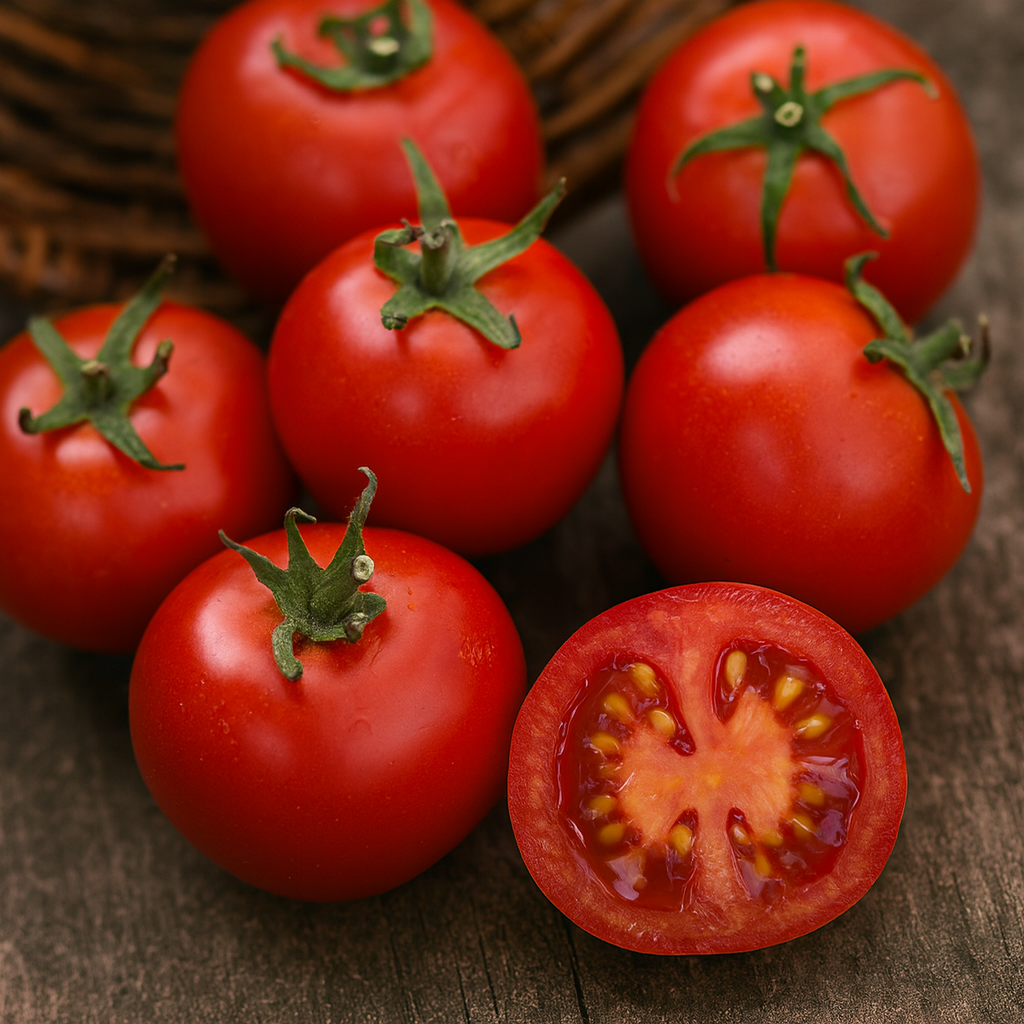
Small, round, red fruits with bright, balanced flavor—sets early and steady in cool Pennsylvania springs.
Why We Love It in Pennsylvania
Glacier was bred for cool-weather performance, making it a star for PA’s unpredictable springs. Compact, semi-determinate plants set clusters of 2–3 oz salad tomatoes even when nights are chilly, then keep producing through summer with light support. In Zones 5–6 (and neighboring 4 & 7 microclimates), it’s one of the first tomatoes you’ll taste from the garden.
A Living Link to Our Agricultural Past
Early salad tomatoes like Glacier earned their keep in farmhouse plots and Victory Gardens—fast to ripen, reliable under clouds, and generous in short seasons. Planting Glacier carries that tradition forward: honest flavor, early harvests, and a table brightened before summer’s heat arrives.
Quick Facts
Type: Early, compact semi-determinate
Days to Maturity: ~55–60 from transplant
Fruit: 2–3 oz, round, smooth red; thin skin, juicy flesh
Flavor: Bright, sweet-tart and tomato-true (excellent for fresh eating)
Best For: First-of-the-season salads, snacking, roasting, quick sauce
How to Grow Glacier in PA
When to Plant
Start Indoors:6–8 weeks before last frost (often mid–late March in much of PA).
Transplant: After frost danger when soil is 60°F+ (typically mid–late May). Harden off 7–10 days.
(Higher elevations/northern counties: shift 1–2 weeks later.)
Site & Soil
Light: Full sun (8+ hours).
Soil: Fertile, well-drained loam, pH 6.2–6.8. Mix in finished compost at planting.
Temperature: Thrives in cool nights; still appreciates warm, settled soil.
Spacing & Support
Spacing:18–24" between plants; rows 30–36" apart.
Support: Cage or single stake keeps clusters clean and improves airflow. Minimal pruning—just remove the lowest leaves after planting and any that touch soil.
Feeding & Water
Fertilizer: Light, balanced feeding at transplant and first fruit set. Avoid heavy nitrogen.
Water: 1–1½" per week; steady moisture prevents cracking and blossom end rot. Mulch after soil warms.
Harvest
Pick when fully red and slightly soft to the touch. Glacier ripens early—expect your first fruits about 8 weeks after transplant and steady pickings thereafter.
Common PA Challenges
Early/Late blight: Space for airflow, cage plants, mulch, water at soil level, rotate beds yearly; remove infected foliage promptly.
Blossom end rot: Keep moisture even; avoid letting plants dry out between waterings.
Cracking after rain: Harvest promptly; mulch helps moderate swings.
In the Kitchen
Glacier’s thin skin and juicy bite make it perfect for salads, bruschetta, and garden snacking. Halve and roast for a quick pasta toss, or cook down for a bright, fast skillet sauce.
What You’ll Receive (Gowan Heritage Seeds)
Approx. seeds per packet: ~50
Germination: Current test on file; packed for high viability
Non-GMO, untreated, open-pollinated
Packed For Year & Lot: Printed on packet for traceability
Gowan Heritage Note: We honor Pennsylvania’s seed-saving roots by choosing proven heirlooms, maintaining up-to-date germination tests, and sharing planting windows that match our local seasons—so your garden keeps the story growing.
Small, round, red fruits with bright, balanced flavor—sets early and steady in cool Pennsylvania springs.
Why We Love It in Pennsylvania
Glacier was bred for cool-weather performance, making it a star for PA’s unpredictable springs. Compact, semi-determinate plants set clusters of 2–3 oz salad tomatoes even when nights are chilly, then keep producing through summer with light support. In Zones 5–6 (and neighboring 4 & 7 microclimates), it’s one of the first tomatoes you’ll taste from the garden.
A Living Link to Our Agricultural Past
Early salad tomatoes like Glacier earned their keep in farmhouse plots and Victory Gardens—fast to ripen, reliable under clouds, and generous in short seasons. Planting Glacier carries that tradition forward: honest flavor, early harvests, and a table brightened before summer’s heat arrives.
Quick Facts
Type: Early, compact semi-determinate
Days to Maturity: ~55–60 from transplant
Fruit: 2–3 oz, round, smooth red; thin skin, juicy flesh
Flavor: Bright, sweet-tart and tomato-true (excellent for fresh eating)
Best For: First-of-the-season salads, snacking, roasting, quick sauce
How to Grow Glacier in PA
When to Plant
Start Indoors:6–8 weeks before last frost (often mid–late March in much of PA).
Transplant: After frost danger when soil is 60°F+ (typically mid–late May). Harden off 7–10 days.
(Higher elevations/northern counties: shift 1–2 weeks later.)
Site & Soil
Light: Full sun (8+ hours).
Soil: Fertile, well-drained loam, pH 6.2–6.8. Mix in finished compost at planting.
Temperature: Thrives in cool nights; still appreciates warm, settled soil.
Spacing & Support
Spacing:18–24" between plants; rows 30–36" apart.
Support: Cage or single stake keeps clusters clean and improves airflow. Minimal pruning—just remove the lowest leaves after planting and any that touch soil.
Feeding & Water
Fertilizer: Light, balanced feeding at transplant and first fruit set. Avoid heavy nitrogen.
Water: 1–1½" per week; steady moisture prevents cracking and blossom end rot. Mulch after soil warms.
Harvest
Pick when fully red and slightly soft to the touch. Glacier ripens early—expect your first fruits about 8 weeks after transplant and steady pickings thereafter.
Common PA Challenges
Early/Late blight: Space for airflow, cage plants, mulch, water at soil level, rotate beds yearly; remove infected foliage promptly.
Blossom end rot: Keep moisture even; avoid letting plants dry out between waterings.
Cracking after rain: Harvest promptly; mulch helps moderate swings.
In the Kitchen
Glacier’s thin skin and juicy bite make it perfect for salads, bruschetta, and garden snacking. Halve and roast for a quick pasta toss, or cook down for a bright, fast skillet sauce.
What You’ll Receive (Gowan Heritage Seeds)
Approx. seeds per packet: ~50
Germination: Current test on file; packed for high viability
Non-GMO, untreated, open-pollinated
Packed For Year & Lot: Printed on packet for traceability
Gowan Heritage Note: We honor Pennsylvania’s seed-saving roots by choosing proven heirlooms, maintaining up-to-date germination tests, and sharing planting windows that match our local seasons—so your garden keeps the story growing.