
 Image 1 of 1
Mary Washington Asparagus (Asparagus officinalis)
A time-tested heirloom with tender, richly flavored spears—built for long, reliable harvests in Pennsylvania gardens.
Why We Love It in Pennsylvania
Mary Washington wakes early, handles our cold winters and cool springs, and settles in for the long haul. Once established, a well-kept bed in Zones 5–6 (and neighboring 4 & 7 microclimates) can produce 15–20 years of spring spears. The variety’s sturdy crowns and classic flavor make it a favorite from backyard rows to farmhouse patches.
A Living Link to Our Agricultural Past
Introduced in the early 1900s and embraced by Mid-Atlantic growers, Mary Washington became the standard asparagus of farmhouse gardens, canneries, and farmstands. Planting it continues a Pennsylvania tradition: a perennial bed that feeds families every spring—honest food from good earth.
Quick Facts
Type: Heirloom asparagus (perennial)
Days to Germination (seed): ~10–21 days warm
First Picking: Light harvest in Year 2; full harvest from Year 3 onward
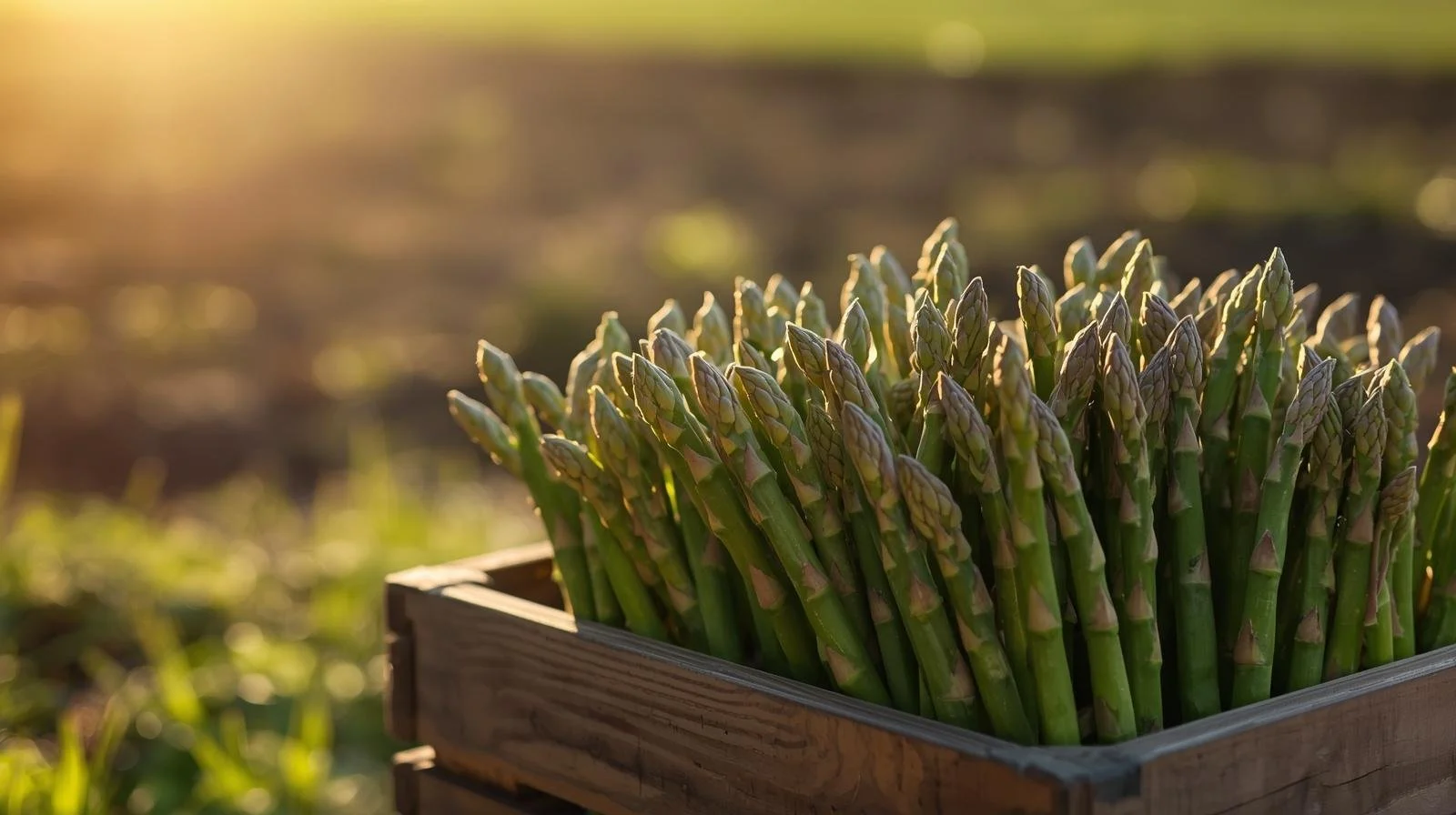
Spear Color/Size: Green spears with tight purple-tipped heads, ½–¾" diameter when prime
Best For: Fresh eating, roasting, grilling, canning, freezing
How to Grow Mary Washington in PA
Planting Options
From Seed (budget-friendly): Start indoors 10–12 weeks before last frost (often early–mid March). Transplant after frost when soil is 60°F+.
From Crowns (fastest harvest): Set 1-year crowns as soon as soil can be worked in spring (often late April–May).
Site & Soil
Light: Full sun (8+ hours).
Soil: Deep, well-drained loam, pH 6.5–7.5 with plenty of compost. Asparagus hates wet feet—raise the bed if drainage is poor.
Bed Life: Choose a permanent location; beds can produce for decades.
Starting From Seed
Pre-soak seeds 12–24 hours in warm water.
Sow in cell trays/pots at ¼–½" deep, keep 70–85°F until germination.
Grow sturdy seedlings; harden off 7–10 days before transplant.
Transplant to a nursery row first season or directly to the permanent bed (see spacing below).
Setting Crowns / Transplanting
Trench Method: Dig trenches 8–10" deep and 12" wide. Make a low ridge in the center.
Spacing: Place crowns or transplants 18" apart with buds up; rows 4–5 ft apart.
Cover Gradually: Start with 2–3" of soil over crowns; as shoots grow, backfill until level.
Water & Feeding
Keep evenly moist first two seasons.
Each spring, top-dress with 2–3" compost and a balanced organic fertilizer; repeat lightly after harvest ends to recharge crowns.
Mulch to suppress weeds (asparagus hates competition).
Harvest (Be Patient!)
Year 1: No harvest—let fronds grow and feed the crowns.
Year 2: Harvest lightly for 2–3 weeks when spears reach 6–8".
Year 3+: Harvest for 6–8 weeks, stopping when spear diameter thins to pencil size. Snap or cut at soil line in the cool of morning.
Overwintering
Allow fronds to turn golden and die back after frost; cut to ground in late fall or very early spring. Remove debris to reduce pest/disease carryover. Re-mulch.
Common PA Challenges
Asparagus Beetles (common & spotted): Scout daily in spring; hand-pick adults/larvae, remove egg-laden spears, encourage beneficials, and keep beds clean.
Asparagus Rust: Improve airflow, avoid overhead watering, remove and destroy infected fronds after frost; rotate away from volunteer asparagus.
Weeds: Mulch deeply; weed shallowly to protect crowns.
In the Kitchen
Sweet, nutty spears shine roasted or grilled with olive oil and salt, folded into quiche, or quick-sautéed with spring onions. Blanch and freeze peak spears to enjoy a taste of spring all year.
What You’ll Receive (Gowan Heritage Seeds)
Approx. seeds per packet: ~50
Germination: Current test on file; packed for high viability
Non-GMO, untreated, open-pollinated
Packed For Year & Lot: Printed on packet for traceability
Gowan Heritage Note: We honor Pennsylvania’s seed-saving roots by choosing proven heirlooms, maintaining up-to-date germination tests, and sharing planting windows that match our local seasons—so your garden keeps the story growing.
A time-tested heirloom with tender, richly flavored spears—built for long, reliable harvests in Pennsylvania gardens.
Why We Love It in Pennsylvania
Mary Washington wakes early, handles our cold winters and cool springs, and settles in for the long haul. Once established, a well-kept bed in Zones 5–6 (and neighboring 4 & 7 microclimates) can produce 15–20 years of spring spears. The variety’s sturdy crowns and classic flavor make it a favorite from backyard rows to farmhouse patches.
A Living Link to Our Agricultural Past
Introduced in the early 1900s and embraced by Mid-Atlantic growers, Mary Washington became the standard asparagus of farmhouse gardens, canneries, and farmstands. Planting it continues a Pennsylvania tradition: a perennial bed that feeds families every spring—honest food from good earth.
Quick Facts
Type: Heirloom asparagus (perennial)
Days to Germination (seed): ~10–21 days warm
First Picking: Light harvest in Year 2; full harvest from Year 3 onward
Spear Color/Size: Green spears with tight purple-tipped heads, ½–¾" diameter when prime
Best For: Fresh eating, roasting, grilling, canning, freezing
How to Grow Mary Washington in PA
Planting Options
From Seed (budget-friendly): Start indoors 10–12 weeks before last frost (often early–mid March). Transplant after frost when soil is 60°F+.
From Crowns (fastest harvest): Set 1-year crowns as soon as soil can be worked in spring (often late April–May).
Site & Soil
Light: Full sun (8+ hours).
Soil: Deep, well-drained loam, pH 6.5–7.5 with plenty of compost. Asparagus hates wet feet—raise the bed if drainage is poor.
Bed Life: Choose a permanent location; beds can produce for decades.
Starting From Seed
Pre-soak seeds 12–24 hours in warm water.
Sow in cell trays/pots at ¼–½" deep, keep 70–85°F until germination.
Grow sturdy seedlings; harden off 7–10 days before transplant.
Transplant to a nursery row first season or directly to the permanent bed (see spacing below).
Setting Crowns / Transplanting
Trench Method: Dig trenches 8–10" deep and 12" wide. Make a low ridge in the center.
Spacing: Place crowns or transplants 18" apart with buds up; rows 4–5 ft apart.
Cover Gradually: Start with 2–3" of soil over crowns; as shoots grow, backfill until level.
Water & Feeding
Keep evenly moist first two seasons.
Each spring, top-dress with 2–3" compost and a balanced organic fertilizer; repeat lightly after harvest ends to recharge crowns.
Mulch to suppress weeds (asparagus hates competition).
Harvest (Be Patient!)
Year 1: No harvest—let fronds grow and feed the crowns.
Year 2: Harvest lightly for 2–3 weeks when spears reach 6–8".
Year 3+: Harvest for 6–8 weeks, stopping when spear diameter thins to pencil size. Snap or cut at soil line in the cool of morning.
Overwintering
Allow fronds to turn golden and die back after frost; cut to ground in late fall or very early spring. Remove debris to reduce pest/disease carryover. Re-mulch.
Common PA Challenges
Asparagus Beetles (common & spotted): Scout daily in spring; hand-pick adults/larvae, remove egg-laden spears, encourage beneficials, and keep beds clean.
Asparagus Rust: Improve airflow, avoid overhead watering, remove and destroy infected fronds after frost; rotate away from volunteer asparagus.
Weeds: Mulch deeply; weed shallowly to protect crowns.
In the Kitchen
Sweet, nutty spears shine roasted or grilled with olive oil and salt, folded into quiche, or quick-sautéed with spring onions. Blanch and freeze peak spears to enjoy a taste of spring all year.
What You’ll Receive (Gowan Heritage Seeds)
Approx. seeds per packet: ~50
Germination: Current test on file; packed for high viability
Non-GMO, untreated, open-pollinated
Packed For Year & Lot: Printed on packet for traceability
Gowan Heritage Note: We honor Pennsylvania’s seed-saving roots by choosing proven heirlooms, maintaining up-to-date germination tests, and sharing planting windows that match our local seasons—so your garden keeps the story growing.