Image 1 of 1
Wild Bergamot (Bee Balm, Monarda fistulosa)
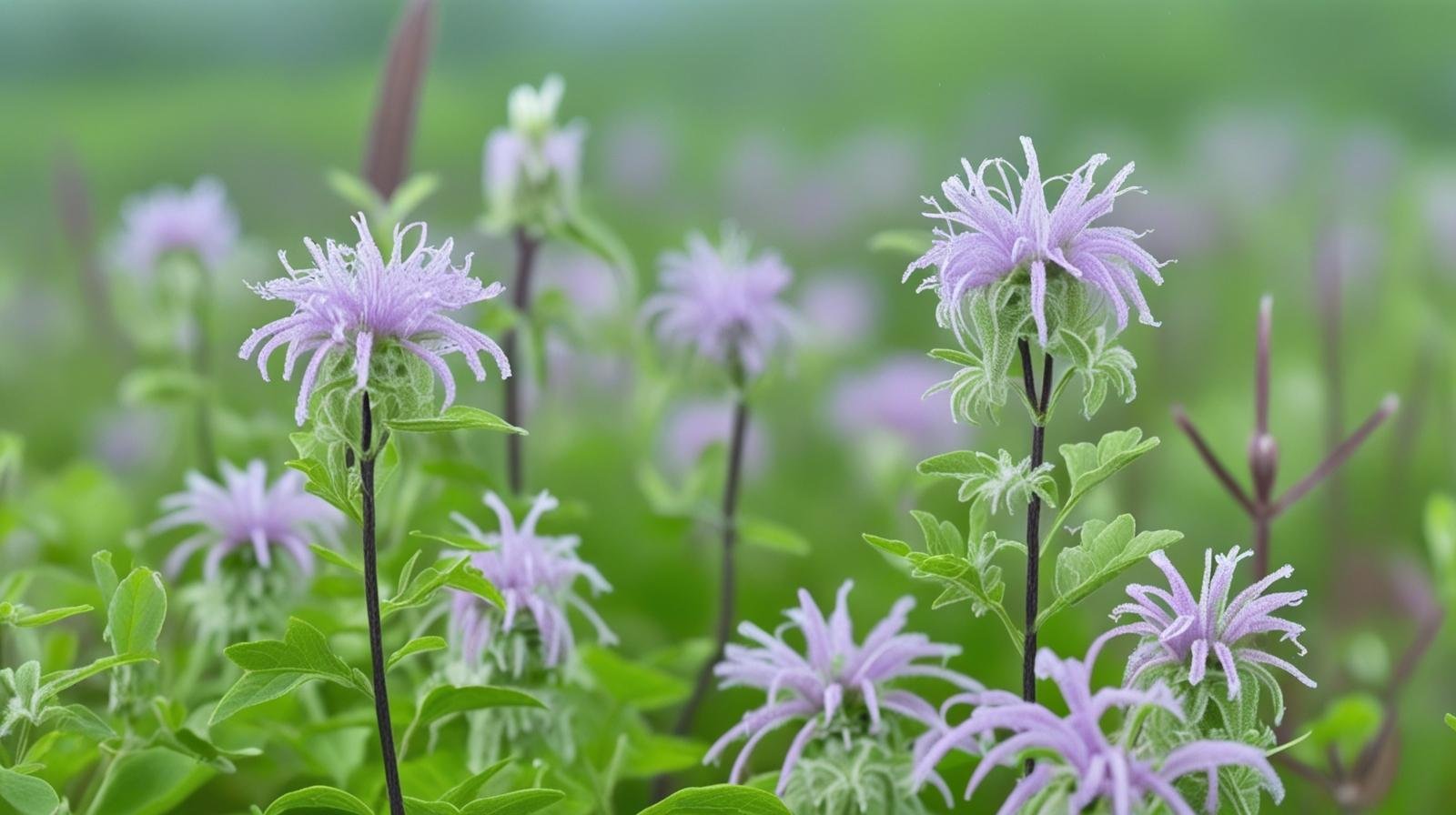
Lavender blooms that dance with bees, butterflies, and hummingbirds—aromatic, resilient, and deeply rooted in America’s native soil.
Why We Love It in Pennsylvania
Wild Bergamot is a natural choice for Pennsylvania gardens, thriving in our long summers and cool autumns. With its soft, tufted flowers and minty fragrance, it brings both beauty and life to the garden—drawing pollinators in clouds and filling the air with a gentle herbal scent. Native to the meadows and woodlands of the Northeast, this variety grows easily in Zones 4–8, standing strong through drought, clay, or rocky soil. It’s equally at home in wildflower meadows, cottage borders, and herb gardens, blooming from mid-summer through early fall when many blossoms fade.
A Living Link to Our Agricultural Past
Bee Balm has been treasured for centuries—first by Indigenous peoples for its medicinal and ceremonial use, and later by early settlers who brewed it as “Oswego Tea” after the Boston Tea Party. Wild Bergamot became a staple of homestead gardens for both its healing properties and its power to attract pollinators to vegetable rows and orchards. Planting it today keeps those traditions alive—combining usefulness, beauty, and ecological balance, just as it did for generations before.
Quick Facts
Type: Native perennial herb
Days to Bloom: Blooms in the second year from seed; mid to late summer each year thereafter
Height/Spread: 2–4 ft tall × 1.5–2 ft wide
Color: Soft lavender to pale purple
Habit: Upright, branching stems with whorls of tubular flowers
Best For: Pollinator gardens, herbal beds, borders, and naturalized meadows
How to Grow Wild Bergamot in PA
When to Plant
Start Indoors: 8–10 weeks before last frost (mid-February–March in most of PA).
Direct Sow: After danger of frost (late April–May), or in fall for natural stratification.
Transplant Outdoors: When seedlings are 4–6" tall and soil has warmed.
(In northern or mountain regions, sow 1–2 weeks later.)
Site & Soil
Light: Full sun to light shade.
Soil: Well-drained but adaptable; prefers loamy or sandy soil, pH 6.0–7.5.
Moisture: Average moisture; drought-tolerant once established, though steady watering during bloom increases flower production.
Sowing & Germination
Seed Depth: Lightly press into soil surface; needs light to germinate.
Germination Time: 10–20 days at 65–70°F.
Cold Stratification: Optional but improves germination; refrigerate seeds for 2–4 weeks before planting.
Care Tips
Pinch young plants to encourage bushier growth.
Divide clumps every 3–4 years to maintain vigor and prevent overcrowding.
Deadhead for continued bloom, or leave late-season seed heads for birds.
Cut plants back to 3–4" after frost to tidy beds and prevent mildew spread.
Common PA Challenges
Powdery mildew: Bee Balm’s only real weakness—choose open, airy spots and avoid overhead watering. Thin stems mid-season if crowded.
Spreading roots: Can expand by rhizomes; divide or contain every few years.
Deer and rabbit resistant: Aromatic foliage naturally deters browsing.
In the Garden
Wild Bergamot stands tall and free in any setting, its fragrant flowers beloved by bees and hummingbirds. Its silvery-green leaves complement cornflower, black-eyed Susan, and milkweed for a true native pollinator palette. In the herb garden, it adds scent and substance—its leaves can be dried for tea, and its blossoms lend beauty to any bouquet or salve.
What You’ll Receive (Gowan Heritage Seeds)
Approx. seeds per packet: ~1,000
Germination: Tested and packed for high viability
Non-GMO, untreated, open-pollinated
Packed For Year & Lot: Printed on packet for traceability
Gowan Heritage Note: We honor Pennsylvania’s seed-saving roots by choosing proven heirlooms and native species, maintaining up-to-date germination tests, and sharing planting windows that match our local seasons—so your garden keeps the story growing.
Lavender blooms that dance with bees, butterflies, and hummingbirds—aromatic, resilient, and deeply rooted in America’s native soil.
Why We Love It in Pennsylvania
Wild Bergamot is a natural choice for Pennsylvania gardens, thriving in our long summers and cool autumns. With its soft, tufted flowers and minty fragrance, it brings both beauty and life to the garden—drawing pollinators in clouds and filling the air with a gentle herbal scent. Native to the meadows and woodlands of the Northeast, this variety grows easily in Zones 4–8, standing strong through drought, clay, or rocky soil. It’s equally at home in wildflower meadows, cottage borders, and herb gardens, blooming from mid-summer through early fall when many blossoms fade.
A Living Link to Our Agricultural Past
Bee Balm has been treasured for centuries—first by Indigenous peoples for its medicinal and ceremonial use, and later by early settlers who brewed it as “Oswego Tea” after the Boston Tea Party. Wild Bergamot became a staple of homestead gardens for both its healing properties and its power to attract pollinators to vegetable rows and orchards. Planting it today keeps those traditions alive—combining usefulness, beauty, and ecological balance, just as it did for generations before.
Quick Facts
Type: Native perennial herb
Days to Bloom: Blooms in the second year from seed; mid to late summer each year thereafter
Height/Spread: 2–4 ft tall × 1.5–2 ft wide
Color: Soft lavender to pale purple
Habit: Upright, branching stems with whorls of tubular flowers
Best For: Pollinator gardens, herbal beds, borders, and naturalized meadows
How to Grow Wild Bergamot in PA
When to Plant
Start Indoors: 8–10 weeks before last frost (mid-February–March in most of PA).
Direct Sow: After danger of frost (late April–May), or in fall for natural stratification.
Transplant Outdoors: When seedlings are 4–6" tall and soil has warmed.
(In northern or mountain regions, sow 1–2 weeks later.)
Site & Soil
Light: Full sun to light shade.
Soil: Well-drained but adaptable; prefers loamy or sandy soil, pH 6.0–7.5.
Moisture: Average moisture; drought-tolerant once established, though steady watering during bloom increases flower production.
Sowing & Germination
Seed Depth: Lightly press into soil surface; needs light to germinate.
Germination Time: 10–20 days at 65–70°F.
Cold Stratification: Optional but improves germination; refrigerate seeds for 2–4 weeks before planting.
Care Tips
Pinch young plants to encourage bushier growth.
Divide clumps every 3–4 years to maintain vigor and prevent overcrowding.
Deadhead for continued bloom, or leave late-season seed heads for birds.
Cut plants back to 3–4" after frost to tidy beds and prevent mildew spread.
Common PA Challenges
Powdery mildew: Bee Balm’s only real weakness—choose open, airy spots and avoid overhead watering. Thin stems mid-season if crowded.
Spreading roots: Can expand by rhizomes; divide or contain every few years.
Deer and rabbit resistant: Aromatic foliage naturally deters browsing.
In the Garden
Wild Bergamot stands tall and free in any setting, its fragrant flowers beloved by bees and hummingbirds. Its silvery-green leaves complement cornflower, black-eyed Susan, and milkweed for a true native pollinator palette. In the herb garden, it adds scent and substance—its leaves can be dried for tea, and its blossoms lend beauty to any bouquet or salve.
What You’ll Receive (Gowan Heritage Seeds)
Approx. seeds per packet: ~1,000
Germination: Tested and packed for high viability
Non-GMO, untreated, open-pollinated
Packed For Year & Lot: Printed on packet for traceability
Gowan Heritage Note: We honor Pennsylvania’s seed-saving roots by choosing proven heirlooms and native species, maintaining up-to-date germination tests, and sharing planting windows that match our local seasons—so your garden keeps the story growing.