
 Image 1 of 1
Nodak Pinto Bean (Phaseolus vulgaris)
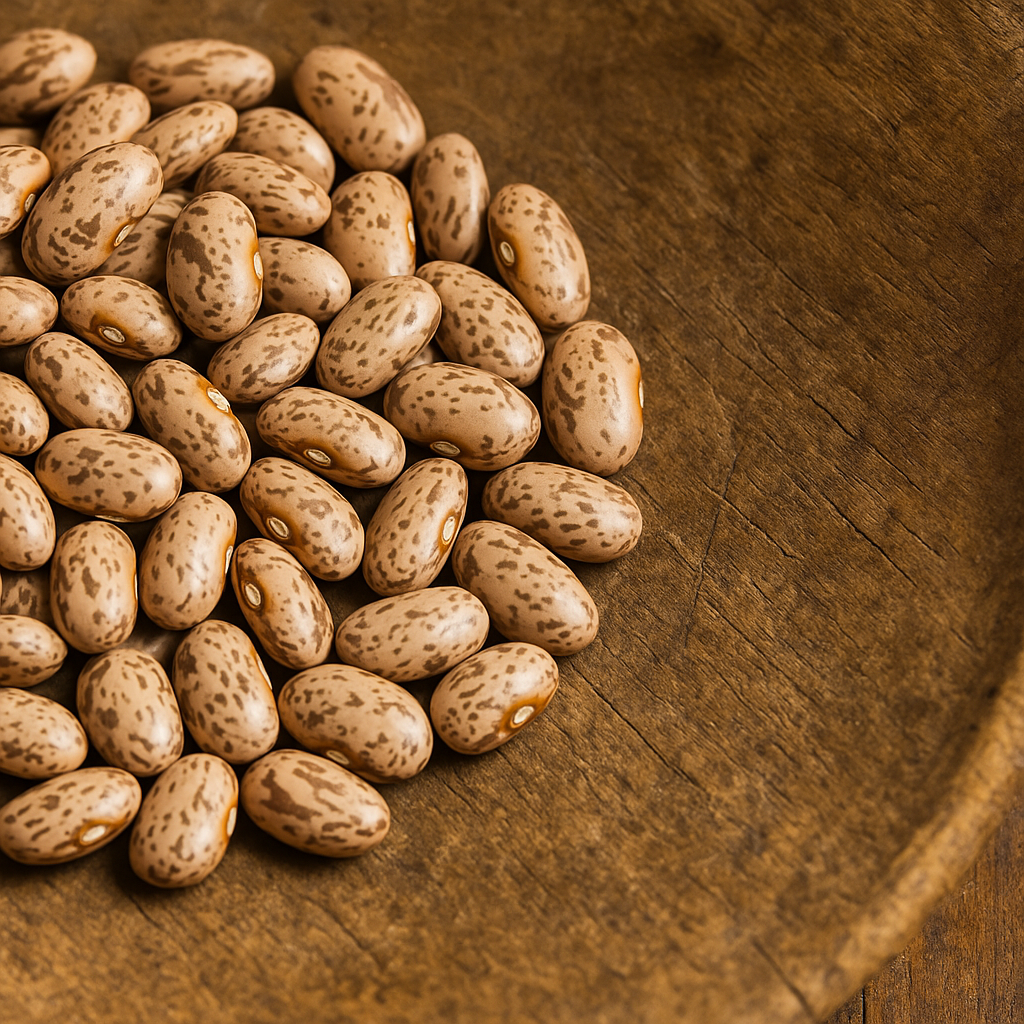
Speckled tan-rose seeds with rich, earthy flavor—dependable bush plants suited to Pennsylvania gardens.
Why We Love It in Pennsylvania
Pinto thrives in our warm summers and cures well in the crisp, dry air of early fall. Compact bush plants set generous pods without trellising, making them easy to tuck into beds or field rows. In Zones 5–6 across PA (and neighboring 4 & 7 microclimates), a late-May sowing yields handsome dry beans by September—perfect for pantry staples.
A Living Link to Our Agricultural Past
Dry beans like pinto were the backbone of farmhouse kitchens and Victory Gardens—protein you could grow, cure, and keep. From cast-iron pots to winter stews, Pennsylvania families relied on jars of speckled beans to carry them through the cold months. Planting pintos keeps that tradition alive—honest food from good earth.
Quick Facts
Type: Heirloom bush dry bean (Phaseolus vulgaris)
Days to Harvest: ~90–105 for dry beans (55–60 for fresh shell stage)
Habit: Compact, self-supporting plants; no trellis needed
Pods/Seeds: Tan seeds with brown speckles; pods dry to parchment
Best For: Soups, stews, refried beans, pressure-canning, storage
How to Grow Pinto Bush Bean in PA
When to Plant
Direct Sow Only: After last frost and once soil is 60–70°F (often late May–early June in much of PA).
For staggered harvests, sow a second block 2 weeks later.
(Higher elevations/northern counties: shift ~1–2 weeks later.)
Site & Soil
Light: Full sun (8+ hours).
Soil: Well-drained loam, pH 6.2–7.0. Avoid heavy nitrogen; beans make their own with Rhizobium.
Inoculation: Dust seed with garden bean inoculant for stronger plants and better yields, especially in new beds.
Sowing & Spacing
Depth: 1–1¼" deep.
Spacing: 2–4" between seeds; rows 18–24" apart.
Moisture: Water to establish, then keep evenly moist—avoid waterlogging during pod set.
Care Tips
Weed early; shallow roots dislike disturbance—mulch once plants are 6" tall.
No trellis needed; bush plants stand on their own.
Fertilizer: Go light—too much nitrogen = leaves, not beans.
Harvest
Dry beans: Allow pods to turn tan and rattle on the plant. Pick before a soaking rain, especially in September.
Curing: Spread pods or shelled beans in a single layer in a dry, airy spot 7–14 days until seeds are rock hard.
Storage: Keep fully dry beans in airtight jars at cool room temperature (target moisture ~10–12%). Properly cured beans store 12+ months.
Common PA Challenges
Mexican bean beetle: Hand-pick adults/larvae, use row cover until bloom, encourage parasitoid wasps, consider neem on undersides of leaves.
Anthracnose/bacterial blights: Rotate 3–4 years, avoid overhead watering, pick on dry days, remove infected residue.
Poor pod fill: Usually drought or excess nitrogen—keep moisture steady, avoid rich manure before planting.
In the Kitchen
Pintos cook down creamy with a deep, savory sweetness—ideal for chili, baked beans, refrieds, and pressure-canned jars for quick weeknight meals. They pair beautifully with garden onions, tomatoes, and peppers.
What You’ll Receive (Gowan Heritage Seeds)
Approx. seeds per packet: ~75–100
Germination: Current test on file; packed for high viability
Non-GMO, untreated, open-pollinated
Packed For Year & Lot: Printed on packet for traceability
Gowan Heritage Note: We honor Pennsylvania’s seed-saving roots by choosing proven heirlooms, maintaining up-to-date germination tests, and sharing planting windows that match our local seasons—so your garden keeps the story growing.
Speckled tan-rose seeds with rich, earthy flavor—dependable bush plants suited to Pennsylvania gardens.
Why We Love It in Pennsylvania
Pinto thrives in our warm summers and cures well in the crisp, dry air of early fall. Compact bush plants set generous pods without trellising, making them easy to tuck into beds or field rows. In Zones 5–6 across PA (and neighboring 4 & 7 microclimates), a late-May sowing yields handsome dry beans by September—perfect for pantry staples.
A Living Link to Our Agricultural Past
Dry beans like pinto were the backbone of farmhouse kitchens and Victory Gardens—protein you could grow, cure, and keep. From cast-iron pots to winter stews, Pennsylvania families relied on jars of speckled beans to carry them through the cold months. Planting pintos keeps that tradition alive—honest food from good earth.
Quick Facts
Type: Heirloom bush dry bean (Phaseolus vulgaris)
Days to Harvest: ~90–105 for dry beans (55–60 for fresh shell stage)
Habit: Compact, self-supporting plants; no trellis needed
Pods/Seeds: Tan seeds with brown speckles; pods dry to parchment
Best For: Soups, stews, refried beans, pressure-canning, storage
How to Grow Pinto Bush Bean in PA
When to Plant
Direct Sow Only: After last frost and once soil is 60–70°F (often late May–early June in much of PA).
For staggered harvests, sow a second block 2 weeks later.
(Higher elevations/northern counties: shift ~1–2 weeks later.)
Site & Soil
Light: Full sun (8+ hours).
Soil: Well-drained loam, pH 6.2–7.0. Avoid heavy nitrogen; beans make their own with Rhizobium.
Inoculation: Dust seed with garden bean inoculant for stronger plants and better yields, especially in new beds.
Sowing & Spacing
Depth: 1–1¼" deep.
Spacing: 2–4" between seeds; rows 18–24" apart.
Moisture: Water to establish, then keep evenly moist—avoid waterlogging during pod set.
Care Tips
Weed early; shallow roots dislike disturbance—mulch once plants are 6" tall.
No trellis needed; bush plants stand on their own.
Fertilizer: Go light—too much nitrogen = leaves, not beans.
Harvest
Dry beans: Allow pods to turn tan and rattle on the plant. Pick before a soaking rain, especially in September.
Curing: Spread pods or shelled beans in a single layer in a dry, airy spot 7–14 days until seeds are rock hard.
Storage: Keep fully dry beans in airtight jars at cool room temperature (target moisture ~10–12%). Properly cured beans store 12+ months.
Common PA Challenges
Mexican bean beetle: Hand-pick adults/larvae, use row cover until bloom, encourage parasitoid wasps, consider neem on undersides of leaves.
Anthracnose/bacterial blights: Rotate 3–4 years, avoid overhead watering, pick on dry days, remove infected residue.
Poor pod fill: Usually drought or excess nitrogen—keep moisture steady, avoid rich manure before planting.
In the Kitchen
Pintos cook down creamy with a deep, savory sweetness—ideal for chili, baked beans, refrieds, and pressure-canned jars for quick weeknight meals. They pair beautifully with garden onions, tomatoes, and peppers.
What You’ll Receive (Gowan Heritage Seeds)
Approx. seeds per packet: ~75–100
Germination: Current test on file; packed for high viability
Non-GMO, untreated, open-pollinated
Packed For Year & Lot: Printed on packet for traceability
Gowan Heritage Note: We honor Pennsylvania’s seed-saving roots by choosing proven heirlooms, maintaining up-to-date germination tests, and sharing planting windows that match our local seasons—so your garden keeps the story growing.